
Field Notes
This week's pattern, signed
Seven brands moved the moment of truth from the purchase to the trial. CaaS previews a garment on the shopper's body, Pearl Abyss lets Twitch viewers play Crimson Desert in a browser, and Sansa offers temple rituals without membership. AI makes trials cheap to build, so the trial itself becomes the sales argument. That changes where budgets go: into persuasion, or into the trial. So when people can try before they commit, what makes the trial feel real enough to trust? I read it through brand authenticity, the sense that something is genuine, which can rest on proof, on perception, or on participation. Seven artifacts are a signal, not proof of a market shift.
Adriana Chiñas, Innovation Analyst at Antropomedia
Seven Artifacts
Seven Eurekas, one per format
FORMAT: SERVICES · LENS: FIELD
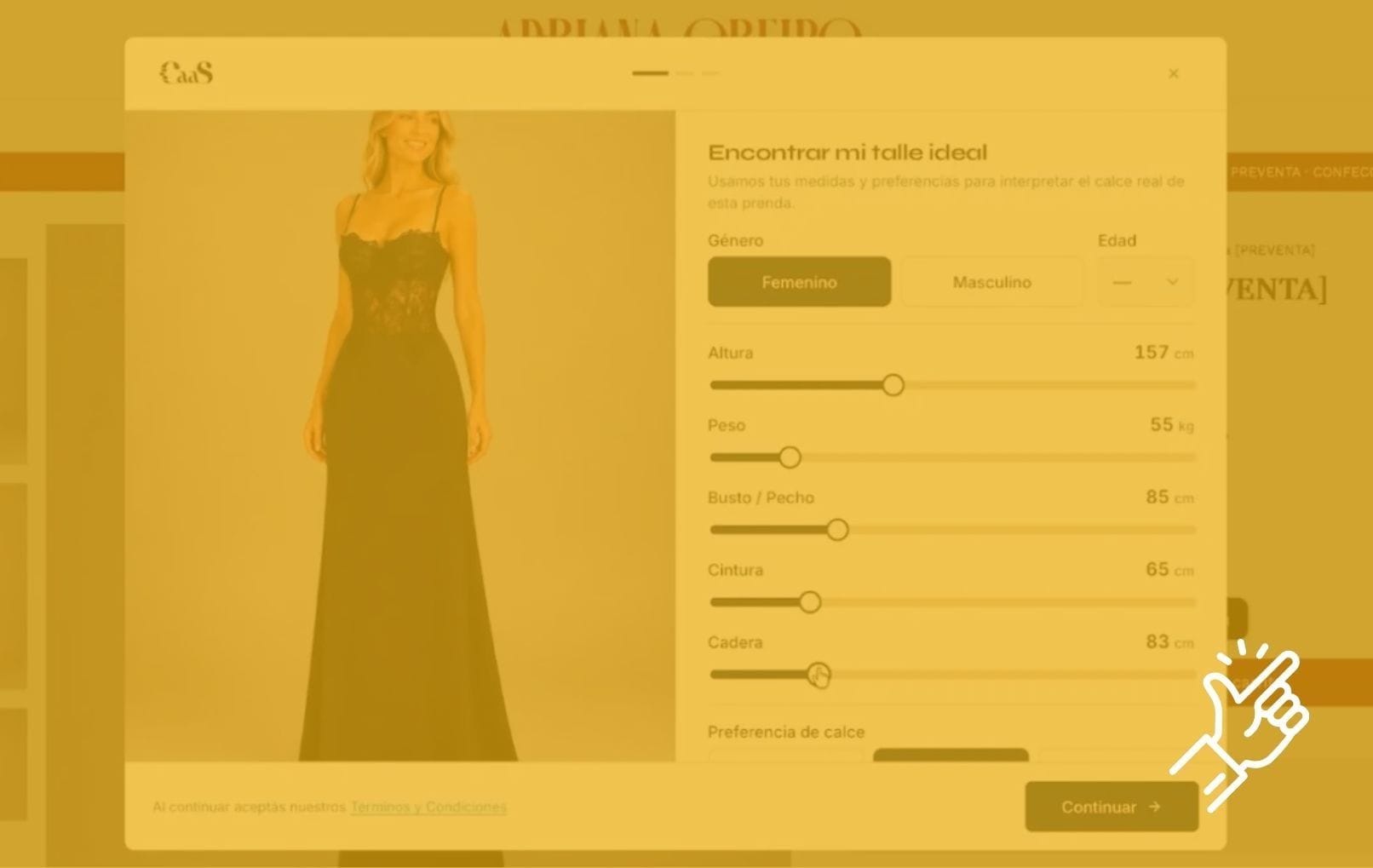
CaaS puts the fitting room inside the checkout.
Mexican brands, including Campillo and Yakampot, added a virtual fitting tool that recommends a size and previews the garment before payment.
The read: The preview earns trust by perception, because shoppers see themselves rather than the garment. The size label shifts from convention to data verdict.
Tribe in play: Fashion Experts.
How CaaS reports returns falling by up to 70%
FORMAT: PRODUCTS · LENS: CULTURE
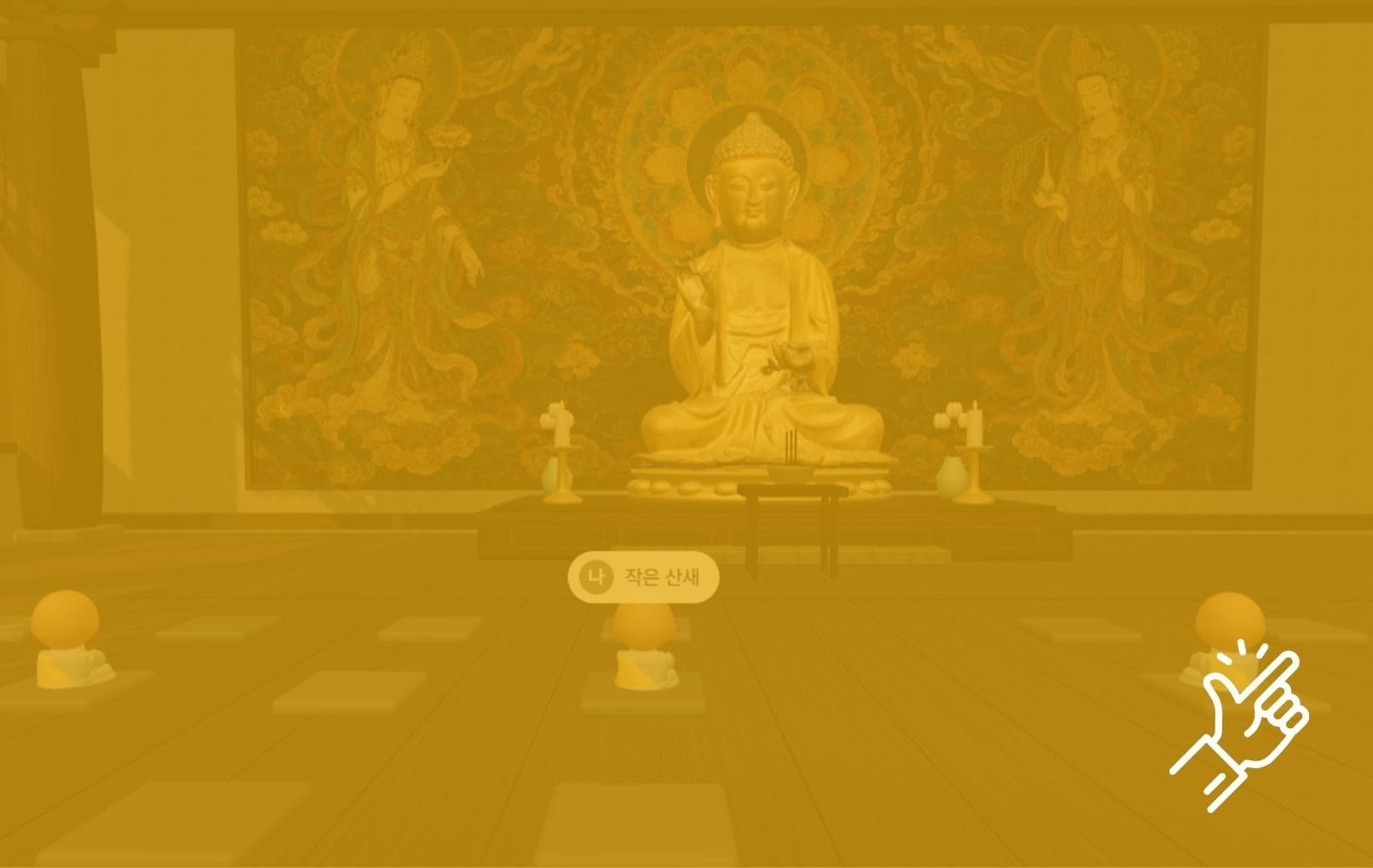
A Korean job seeker codes a Buddhist temple in under 30 minutes.
In Sansa, visitors appear as novice monks who perform 108 bows, turn prayer beads, and greet others with palms together, all from bed.
The read: Brand authenticity here comes from participation. The ritual's structure stays while doctrine and membership drop out, and repetition makes it feel real.
Tribe in play: Pre-Metaverses.
Inside a temple with no chat and no doctrine
FORMAT: CONCEPTS · LENS: ALGORITHM
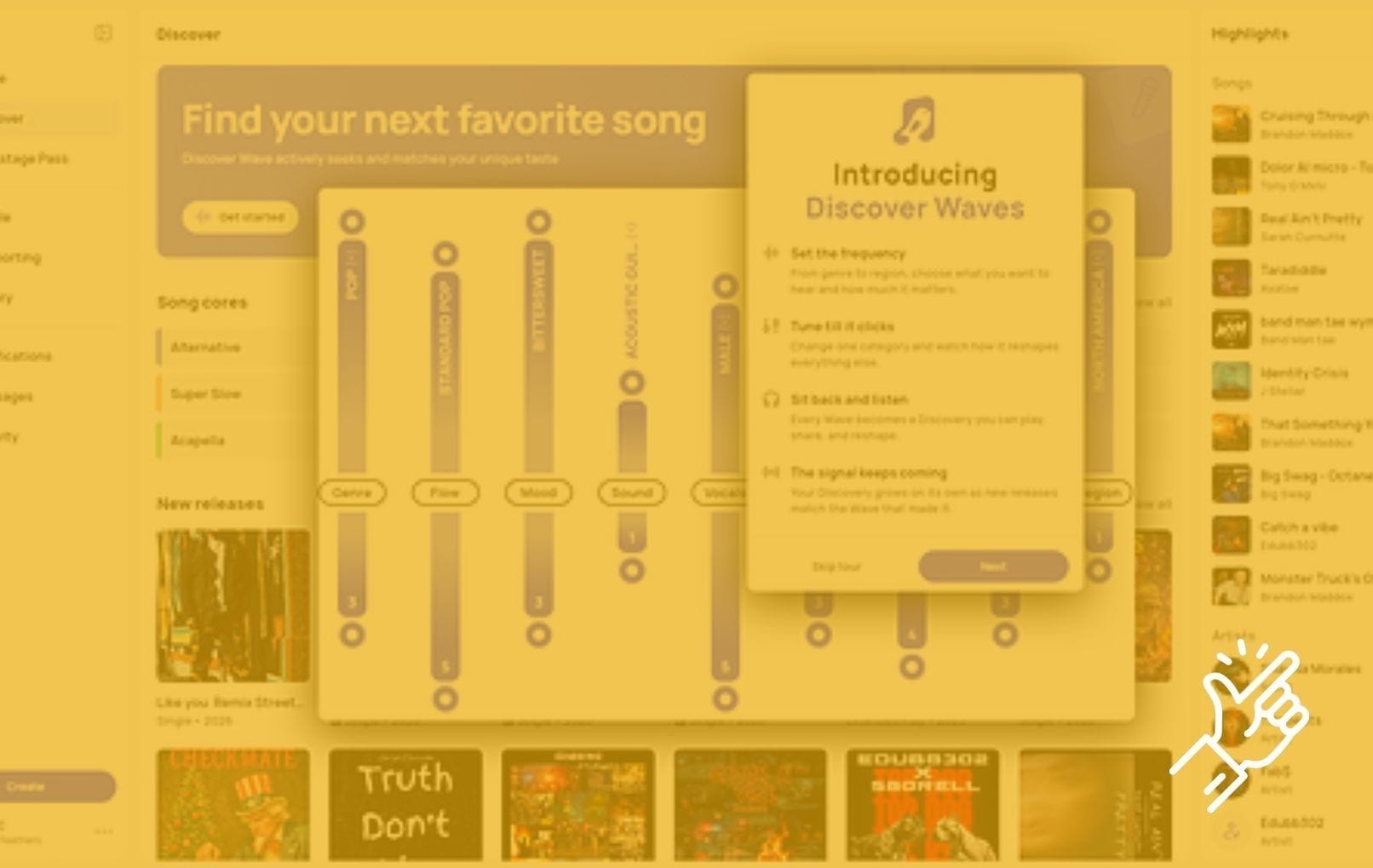
Pipit hands music discovery back to the fan.
The five-person company opened a streaming platform from $3.99 a month that excludes major-label and AI-generated music, with fan-built "Discover Waves" and payments directed to chosen artists.
The read: Pipit earns trust with visible rules: nine categories and clear exclusions. The fan still chooses inside a frame the platform drew.
Tribe in play: Audiophiles.
Why "the fan becomes the algorithm" is still a design choice
FORMAT: CAMPAIGNS · LENS: CULTURE
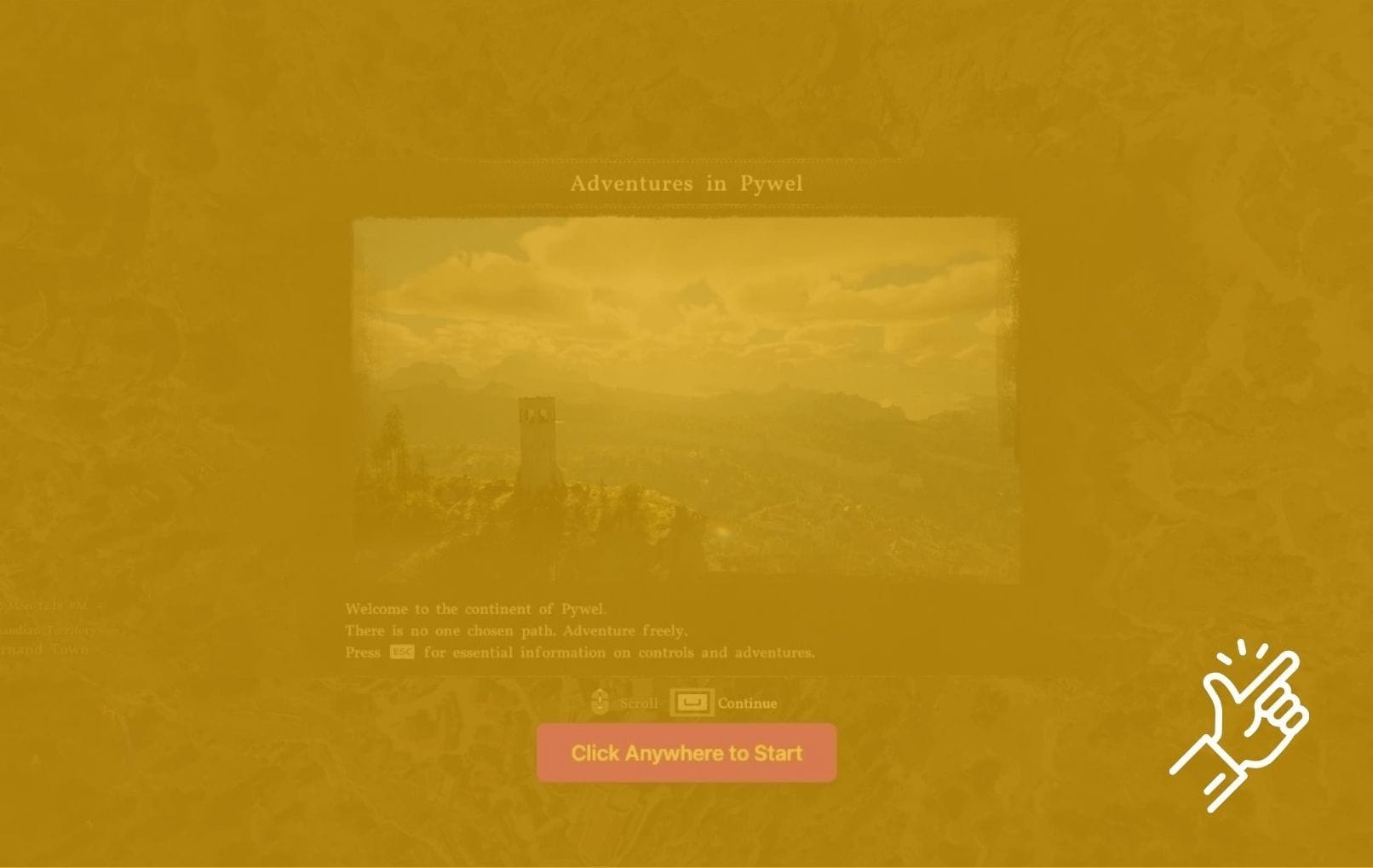
Pearl Abyss turns a Twitch page into a playable trailer.
With Amazon Web Services, the studio launched a browser demo of Crimson Desert that loads in under three seconds and offers about twenty minutes of play.
The read: Play replaces promotional claims as proof. The trial persuades because players judge the game with their own hands, among viewers who judge together.
Tribe in play: Nerd Gamers.
How a cloud demo protected the code and fed Steam traffic
FORMAT: EXPERIENCES · LENS: ALGORITHM
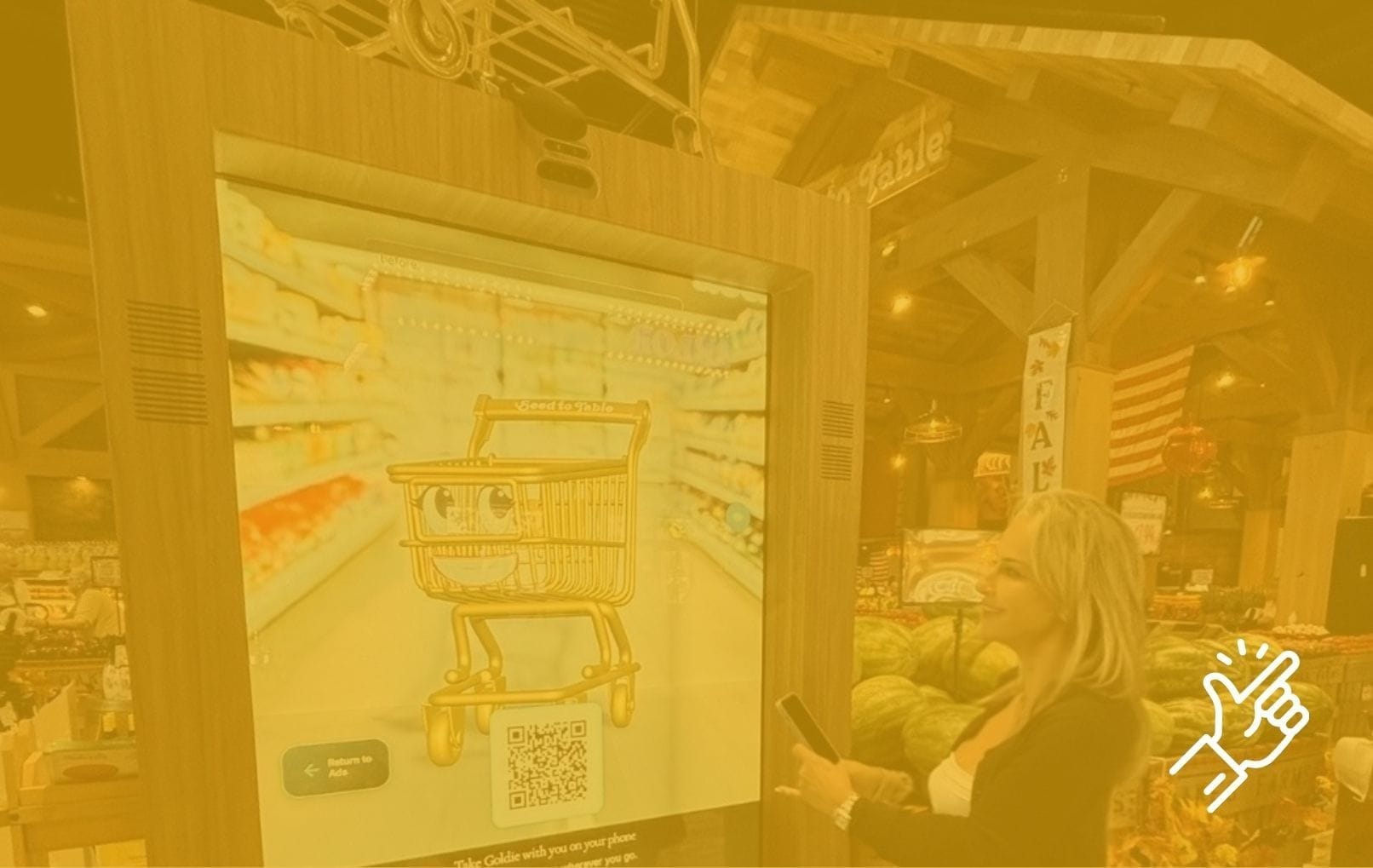
A Florida grocer greets shoppers with a seven-foot AI hologram.
At Seed to Table in Naples, Goldie answers questions, recommends products and remembers past conversations, while brand QR displays fill the aisles.
The read: Goldie feels real through anthropomorphism, giving a machine a face and personality. That warmth also hides which sponsored stories she favors.
Tribe in play: Moonshot Optimizers.
What "the Disney World of supermarkets" trades for familiarity
FORMAT: PROCESSES · LENS: DATA
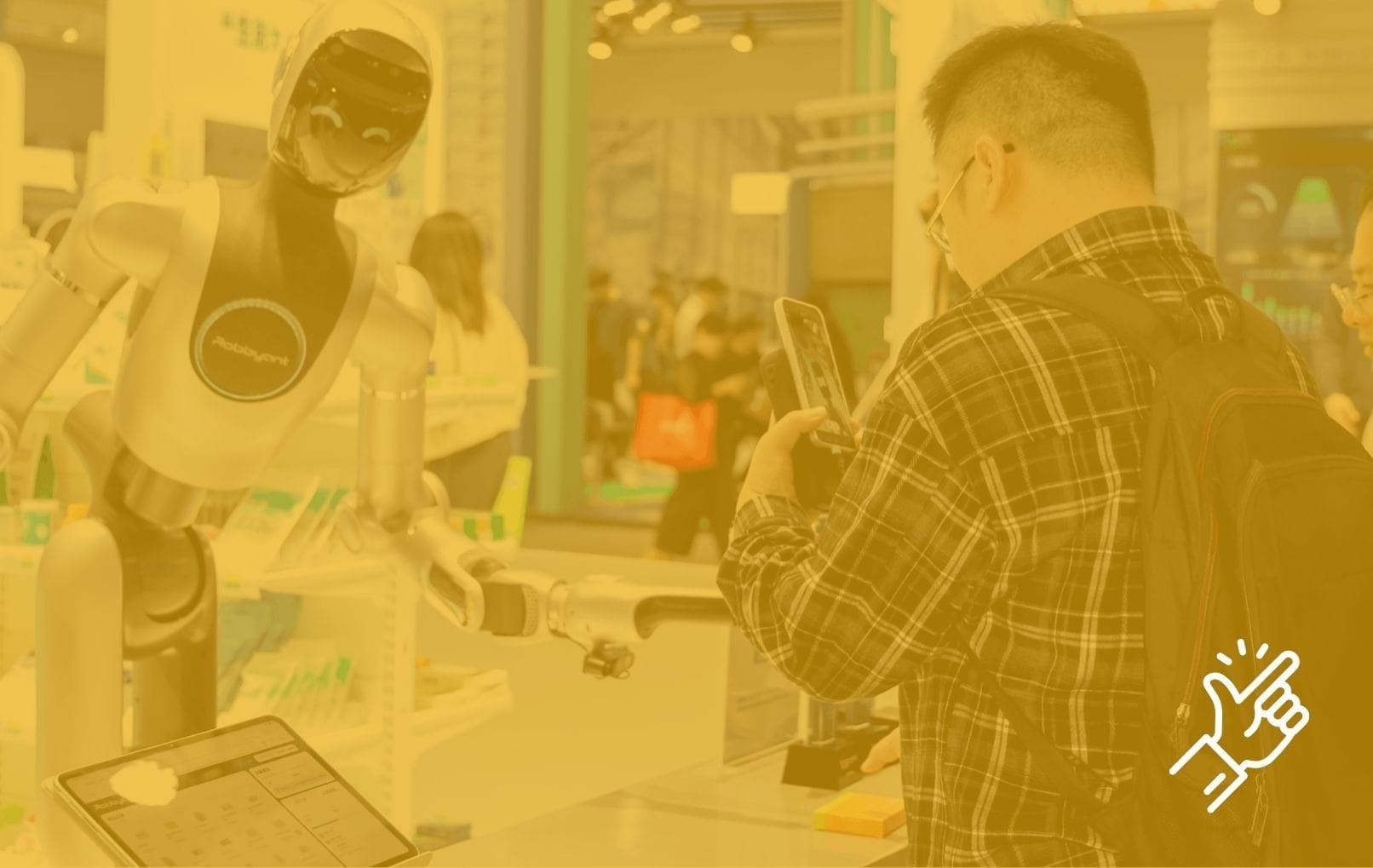
Ant Group gives its robot models away to earn trust.
Its open-source LingBot models passed 2.2 million downloads and 33,000 GitHub stars, while robots built with Guoda Pharmacy retrieve medicines in several Shanghai pharmacies.
The read: Downloads are social proof, the signal that peers already try it. Proof of commercial value needs deployments, and those remain a few stores.
Tribe in play: Moonshot Optimizers.
Where developer interest and commercial use part ways

FORMAT: PARTNERSHIPS · LENS: CULTURE
LG U+ pairs e-books with coffee to make reading a habit.
Its Udok platform offers six 9,900-won monthly packs combining sam e-books or Moazine magazines with coffee, movie or shopping benefits, open to any carrier's customers.
The read: The bundle lets people try on a reading identity at café prices. Its authenticity is perceived, borrowed from café culture rather than proven.
Tribe in play: Romand Tenderlols.
How six same-price packs sort readers into lifestyles
Social Fact
One number that makes the case
57%
57% of consumers across 30 countries wanted to see, touch, and feel items before buying them. This week's brands answer that demand without a shelf: previews, demos, and rituals stand in for touch. The trial is now part of the product.
See the data on shoppers who want to touch before buying
The Lexicon
One concept worth keeping
Brand authenticity, as Lucia Malär frames it, is a judgment people reach in three ways: through verifiable fact, through personal interpretation, or through taking part in producing it. Ask of Sansa whether it is authentic by proof, perception or participation, and who decides. No monastery certifies it. Visitors make it real by doing 108 bows. For brands, the lesson is to design the gesture people repeat, not the claim they must believe.
Your Fieldwork
Run this in Find Your Tribe
Map who needs to try your offer before they trust it. Open Find Your Tribe and paste:
My brand sells [product or service]. Which consumer tribes need to try it before they trust it, and which trial would feel authentic to each: proof they can check, a preview they can picture, or a ritual they can join?
You will get a set of tribes matched to the kind of trial most likely to persuade each.
Interlocutors
Hit reply; we read everything
What does your customer have to try before they trust you, and is your current trial proof, a preview, or a ritual? Reply and tell us. We read every answer.