Transforming Urban Transit Into Brand Spectacle
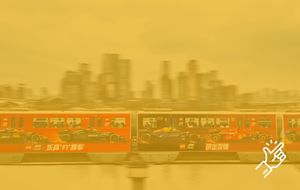
LEGO China, through its in-house creative team OLA (Our LEGO Agency), transformed Shanghai Metro Line 11 into a full-length Formula 1 racing train to mark the return of the Chinese Grand Prix. The activation wrapped the exterior of the train to resemble an F1 car speeding through the city, while Xujiahui Station featured iconic racing moments recreated with over 550,000 LEGO bricks. The initiative formed part of LEGO's global Build the Thrill campaign celebrating Formula 1 fandom, converting the daily commute into an immersive brand encounter.
This activation holds broader significance as an exemplary case of experiential brand communication that dissolves the boundary between commercial messaging and public infrastructure. By embedding itself within a mass transit system used by millions, LEGO transcended conventional advertising formats and positioned the brand within the rhythms of everyday urban life, generating organic cultural resonance rather than interruptive attention.
The activation operates as a sophisticated exercise in servicescape extension, projecting brand meaning beyond retail environments into civic space. The metro train functions as a moving sign vehicle whose semiotic density—F1 livery, LEGO brick materiality, kinetic speed—produces a layered reading experience for commuters. This is carnivalesque placemaking: the rigid functionality of public transport is temporarily subverted by playful spectacle, collapsing distinctions between consumer and citizen, commerce and culture. The 550,000-brick station installation deepens this logic through participatory materiality, inviting bodily engagement rather than passive consumption. From a brand community perspective, the activation generates shareable cultural artifacts that circulate across social platforms, enabling value co-creation by fans who document and narrate their encounters. LEGO effectively transforms commuters into momentary brand community members, leveraging spatial surprise to catalyze impression management and social networking behaviors. The temporary nature of the installation amplifies its cultural currency—scarcity and ephemerality drive urgency, documentation, and digital amplification.
Practical Implications for Organizations
- Embed brands in existing cultural rituals. Activations situated within daily routines generate deeper engagement than destination-based experiences.
- Leverage ephemerality strategically. Temporary installations create urgency and social sharing incentives that extend reach far beyond physical audiences.
- Design for co-creation. Physical installations should be inherently shareable, enabling consumers to produce and distribute branded content organically.
- Extend the servicescape. Consider unconventional public spaces as legitimate brand touchpoints that communicate values beyond product functionality.
- Align activations with cultural moments. Tying brand experiences to major events ensures contextual relevance and media amplification.
Consumer tribes that may relate to this Eureka: