Field Notes
This week's pattern, signed
This week, seven brands removed a familiar interface and moved trust somewhere else. JYSK drops the fixed checkout, Keys Soulcare drops the shelf for a voice, and Meta Muse drops the human caller. The pattern is showing up now because AI agents and unified data let brands remove friction faster than customers rebuild their habits. It changes one decision: where you invest in trust, whether in architecture or in people, objects, and voices. So when the interface disappears, what holds the trust? I read the answer through detached co-involvement, which means swapping rare, intense encounters for frequent, light-touch contact. Seven artifacts are a signal, not proof. Still, seven pointing the same way deserve a test.
Adriana Chiñas, Innovation Analyst at Antropomedia
Seven Artifacts
Seven Eurekas, one per format
FORMAT: SERVICES · LENS: ALGORITHM
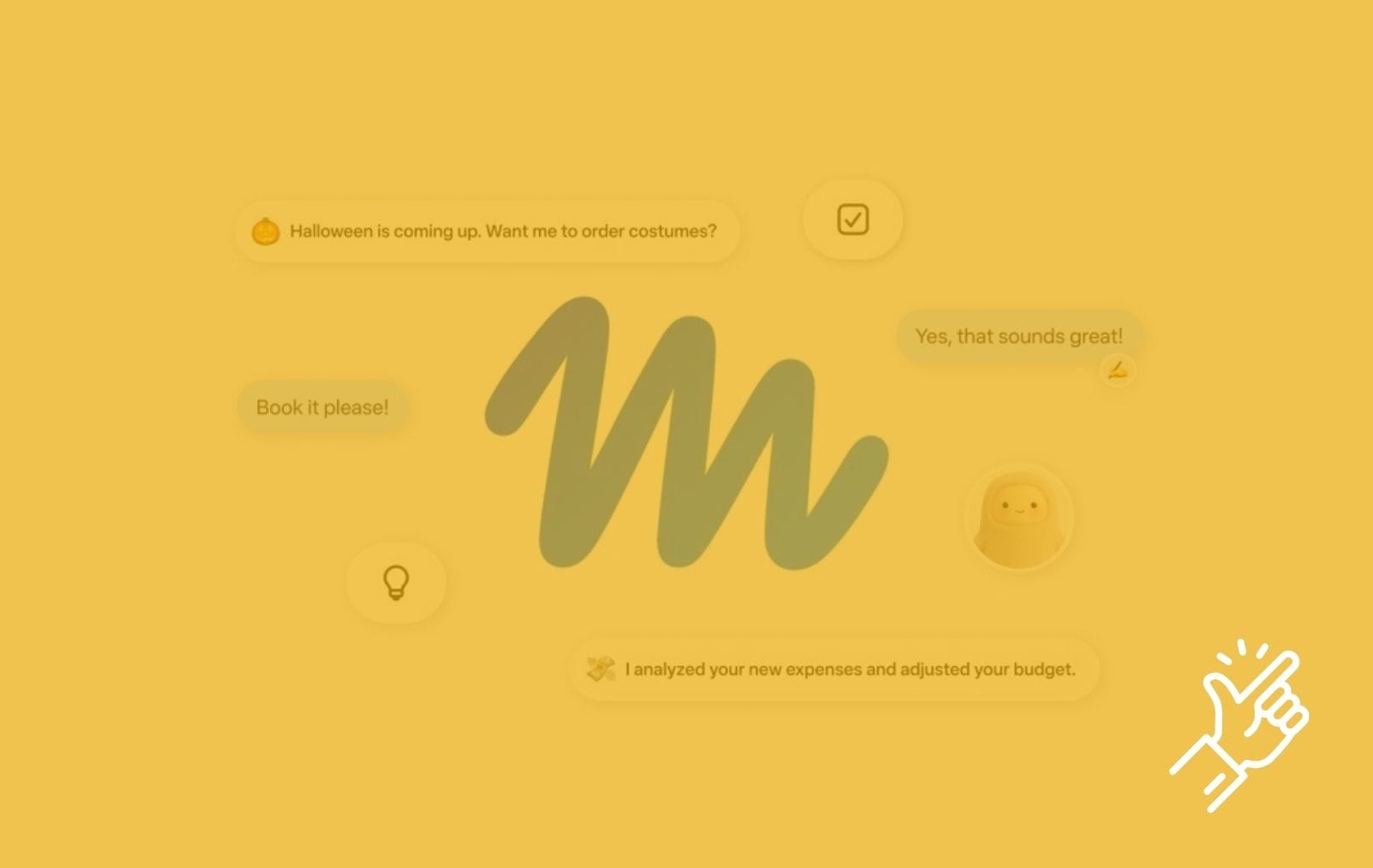
Meta Muse makes the phone calls people dread.
Meta's AI agent Muse now places outbound calls to U.S. businesses for paying subscribers, with plans starting at $20 per month.
The read: Trust moves from the caller's voice to the agent's disclosure. Businesses hang up on suspected machines, so undisclosed agents spend borrowed trust.
Tribe in play: Marketing Gurus.
See why businesses hang up on Muse
FORMAT: PRODUCTS · LENS: CULTURE
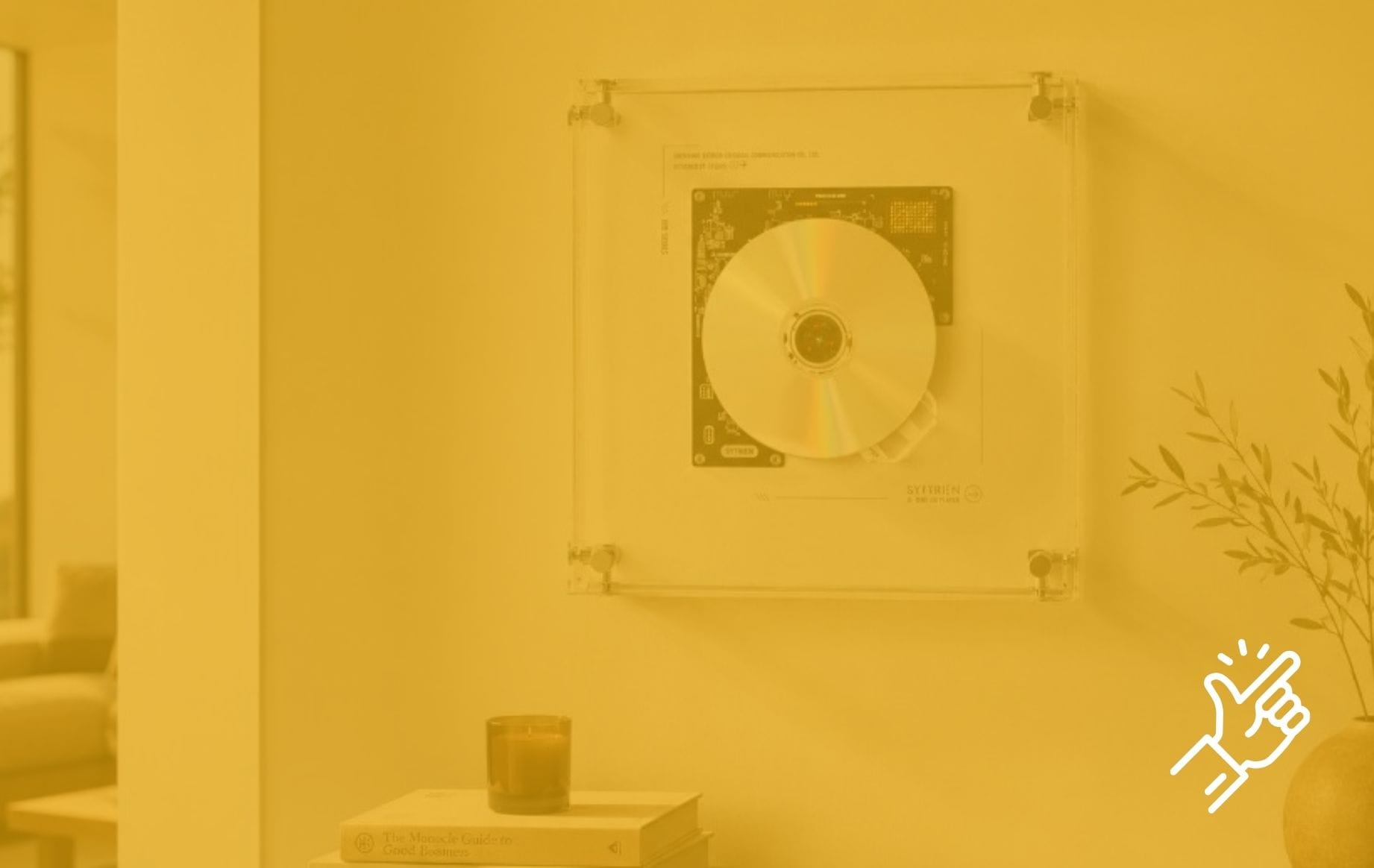
SYITREN puts the spinning disc on display.
SYITREN's RM1, an $89 CD player on Kickstarter, uses two clear acrylic panels to leave the disc, optical pickup, and circuit board visible.
The read: When the streaming screen disappears, the object holds the trust. Visible parts and a hand-cued disc turn listening into a visible ritual.
Tribe in play: Audiophiles.
Read how the RM1 turns playback into ritual
FORMAT: CONCEPTS · LENS: FIELD
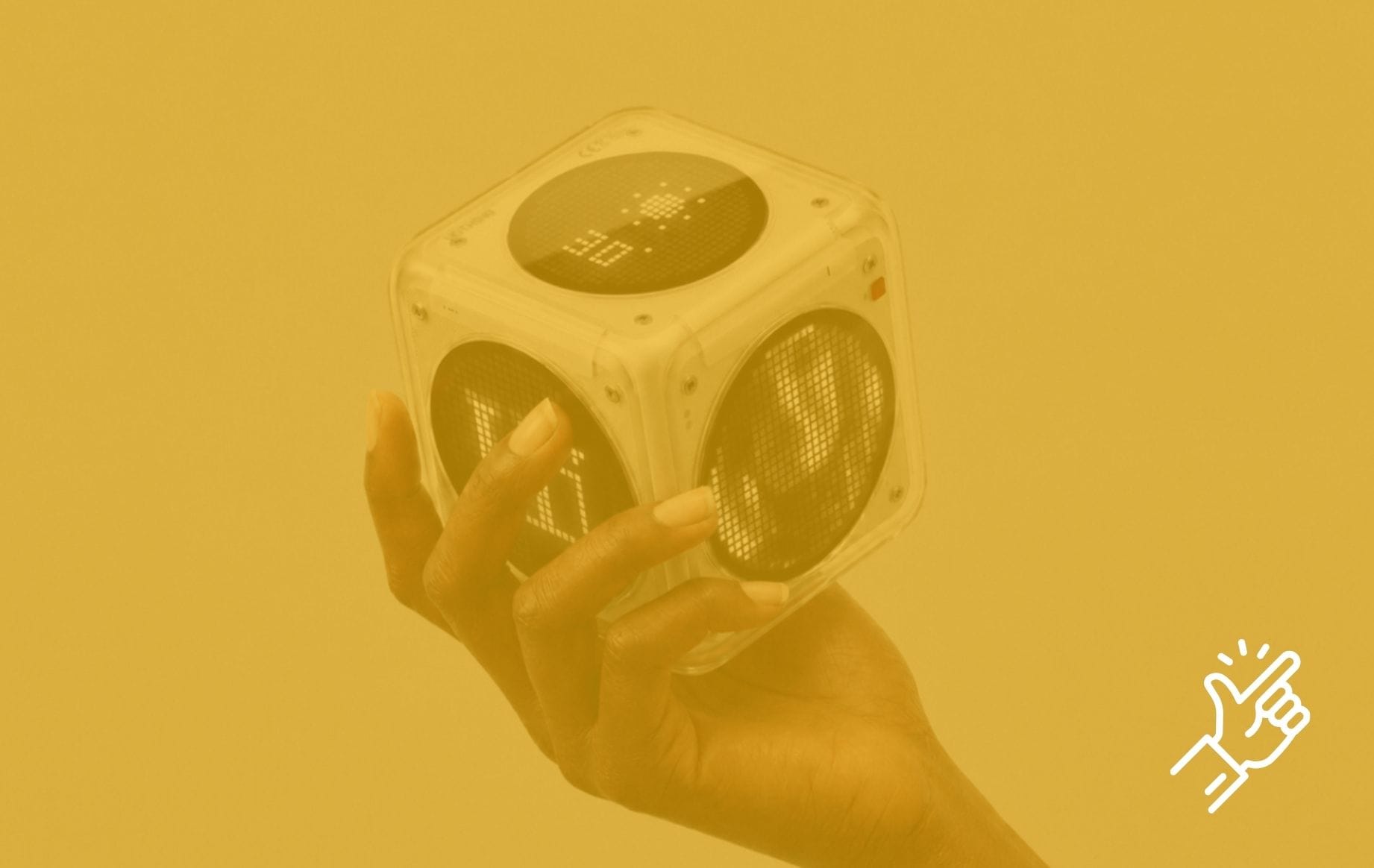
Glyph (1) swaps AI menus for a turning cube.
Designer Adam Miklosi's speculative concept draws on Nothing's design language: a transparent cube that selects an AI mode by whichever face points upward.
The read: The hand holds the trust the screen used to hold. Rotating a face is a deliberate act that makes delegation feel controlled.
Tribe in play: Digital Ascetics.
See the cube that drops the screen

FORMAT: CAMPAIGNS · LENS: FIELD
CUPRA keeps event tickets alive after the show.
CUPRA and BBDO Germany turn digital event tickets into wallet passes that keep updating with secret concerts, test-drive invitations and offers.
The read: This is detached co-involvement in a wallet: one night becomes constant small touches. The pass borrows the trust of the bank cards beside it.
Tribe in play: Concert Freaks.
See how a ticket becomes a membership

FORMAT: EXPERIENCES · LENS: FIELD
SF Corporation sells cinema as bodily rest.
SF Corporation and LEMO are installing 13,000 massage seats across SF's theaters, the first service of its kind in Thailand.
The read: Against the home screen, the seat holds the trust. A massage is a promise the body checks every minute of the film.
Tribe in play: Movienerds.
Read why the seat beats the home screen

FORMAT: PROCESSES · LENS: FIELD
JYSK moves the checkout into the employee's hand.
In Belgium and the Netherlands, JYSK staff take payments anywhere on the floor by smartphone, on a system that links store inventory to the online shop.
The read: Trust shifts from the counter to the person. Detached co-involvement reaches the floor: paying becomes a light exchange beside the sofa.
Tribe in play: Real Estate Hunters.
See what replaces the checkout counter
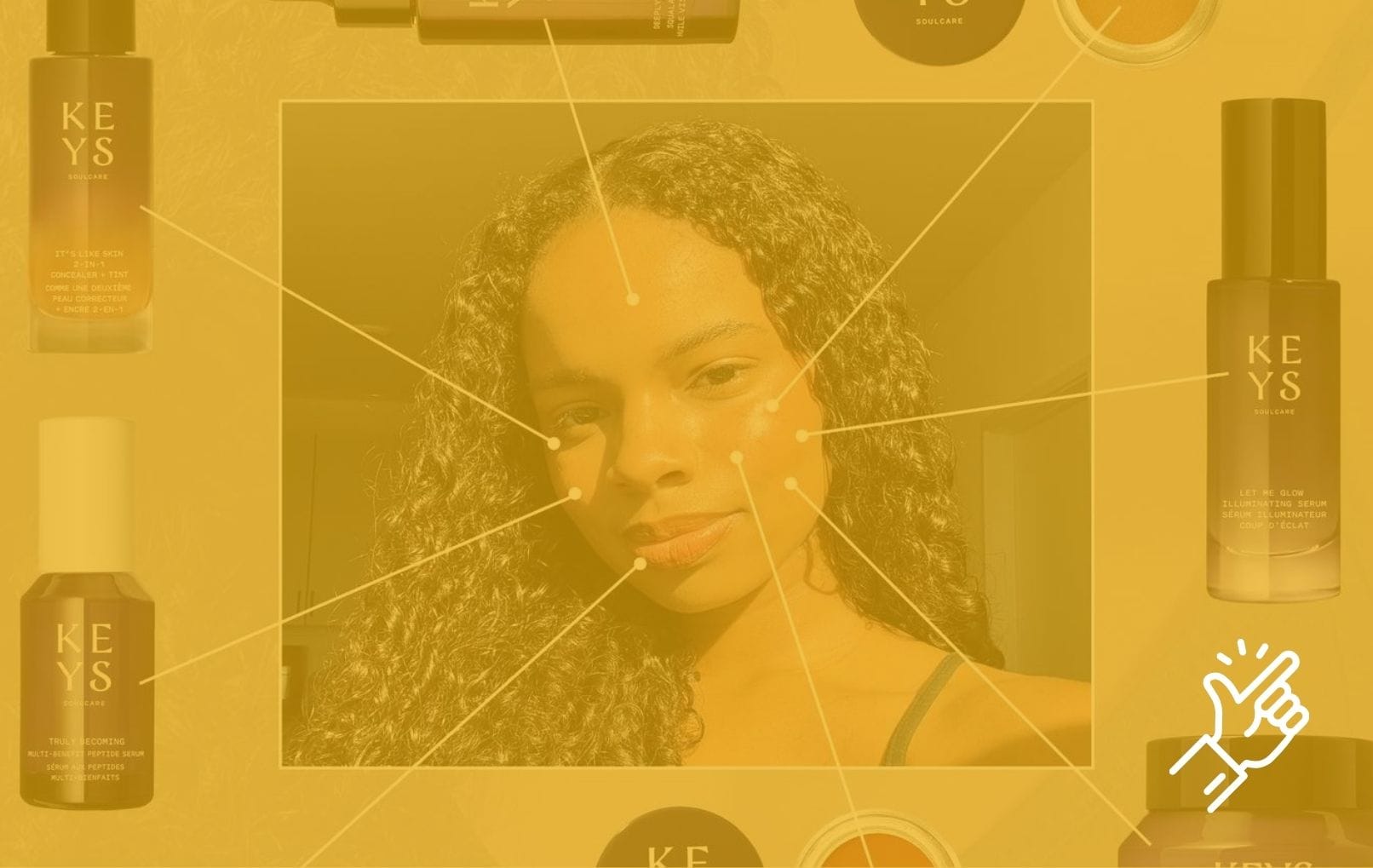
FORMAT: PARTNERSHIPS · LENS: CULTURE
Keys Soulcare puts Alicia Keys inside Alexa.
Keys Soulcare and Amazon Alexa launched a custom Echo theme with inspirational messages, music and skincare tips from Alicia Keys.
The read: Without shelves or swatches, a familiar voice holds the trust. Daily affirmations are detached co-involvement, housed in a device that collects data.
Tribe in play: Arcadian Souls.
Read how a beauty brand works without visuals
Social Fact
One number that makes the case
68%
68% of global consumers are more likely to engage with and trust AI agents that have human-like traits. That is the trust Meta Muse borrows when it calls a business, and the trust it loses the moment it hides what it is. See the data on AI agents and trust
The Lexicon
One concept worth keeping
Detached co-involvement, as Anna Schneider-Kamp frames it, is a service relationship that swaps rare, intense encounters for frequent, light-touch digital contact. It asks whether the relationship is moving from big moments to constant small touches and whether that is welcome. Take CUPRA Wallet: one concert becomes a stream of lock-screen updates. The test for marketers is whether fans read each update as a privilege or as monitoring. Track opt-outs before you increase how often you send them.
Your Fieldwork
Run this in Ask the Tribe
Use Ask the Tribe to test where trust sits once your brand removes an interface.
I am removing [checkout counter / screen / human phone call / app] from my customer journey. For the tribe [tribe name], what would replace it as a source of trust, and which small, frequent brand touch would they welcome or reject?
You will get a reading of that tribe's rituals, pain points and likely resistance, ready to test with your team.
Interlocutors
Hit reply; we read everything
Which interface is your brand about to remove, and what will hold your customers' trust once it is gone? Hit reply and tell us. We read every answer.