
Composting the Status Quo: Biodegradable Pots and the Semiotics of Circular Design
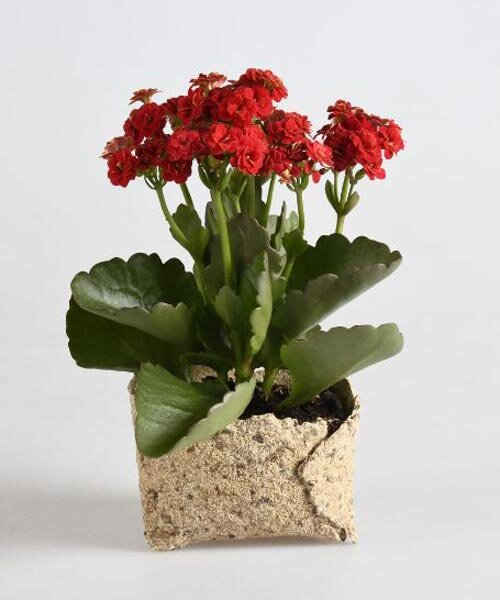
Designer Adonis Evangelista, under the supervision of Lígia Lopes, developed a line of biodegradable plant pots composed entirely of reclaimed organic waste. The project sourced material from three principal waste streams—natural fibers and plant residues from floriculture operations, eggshells, and other organic discards—binding them with natural adhesives calibrated to remain compatible with plant pH levels. Each prototype was rigorously tested for structural strength, drainage, durability, and botanical compatibility, producing a plastic-free alternative to the petroleum-based containers that dominate commercial horticulture.
The significance of this initiative extends well beyond material innovation. By transforming discarded organic matter into functional horticultural products, Evangelista's project embodies a tangible critique of linear production logic and demonstrates how design research can operate as a vehicle for ecological and cultural transformation within consumer markets.
The project invites analysis through the lens of circular economy semiotics and material culture theory. In consumer culture, packaging and containers function as silent but potent sign-systems: a conventional plastic pot signals disposability, industrial efficiency, and detachment from natural cycles. Evangelista's biodegradable pot disrupts this semiotic chain, encoding values of regeneration, ecological reciprocity, and post-use integration with the soil. This reframing constitutes what can be understood as counter-hegemonic design—artifacts that challenge dominant consumption narratives through their very materiality. From a design anthropology perspective, the project exemplifies human-centered, forward-looking inquiry. Rather than optimizing an existing product category, the designer interrogated the cultural meaning of the container itself, asking not merely how to hold a plant but what a vessel communicates about humanity's relationship with organic systems. The participatory testing of prototypes mirrors collaborative design ethnography, where iterative evaluation ensures that innovation remains grounded in lived use. The choice of waste streams from floriculture is particularly resonant: it closes a symbolic loop, returning botanical byproducts to botanical service, thereby reinforcing the rhetorical coherence of the circular narrative.
Practical Implications for Organizations
- Audit existing product packaging for semiotic alignment with stated sustainability commitments; material choices communicate brand values before any marketing message.
- Invest in design research that questions categorical assumptions rather than merely improving incumbent formats.
- Map internal waste streams for potential upcycling into consumer-facing products, converting cost centers into brand equity.
- Collaborate with academic researchers to prototype circular alternatives, leveraging rigorous testing to build credibility with environmentally literate consumers.
- Communicate the full lifecycle story of materials to differentiate offerings in markets increasingly sensitive to greenwashing.
Consumer tribes that may relate to this case study:
 Eureka