Amazon–Whole Foods Micro-Fulfillment: Rewriting the Grocery Servicescape
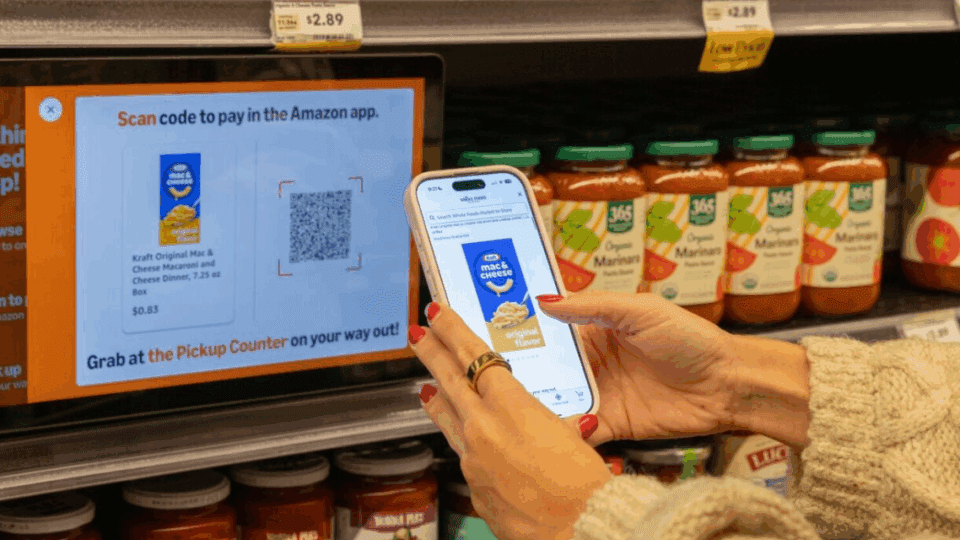
The case concerns Amazon’s launch of a “store-in-a-store” micro-fulfillment center inside a Whole Foods Market in Pennsylvania. Using an automated robotics platform, the site houses more than twelve thousand items spanning Whole Foods’ organic and private-label assortment plus Amazon national-brand staples such as household essentials, snacks, beverages, and frozen foods. Customers can shop this expanded range through the Amazon app, Amazon.com or QR codes within the physical store, receiving text alerts to collect items at an Amazon Pickup & Returns Counter within minutes of ordering.
Beyond a simple assortment expansion, the initiative represents an experiment in integrating a specialty grocer’s servicescape with Amazon’s e-scape. It reconfigures what a grocery visit means, blending bodily presence among fresh organic produce with algorithmically orchestrated access to mass brands backstage. This hybrid format seeks to reconcile two dominant value codes in contemporary food culture: purity and provenance on the one hand, and frictionless one-stop convenience on the other.
From a semiotic perspective, the micro-fulfillment center functions as a heterotopic layer within the Whole Foods environment. The visible store continues to signify community, health, and ethical consumption, while the hidden robotics and digital ordering surface encode efficiency, ubiquity, and data-driven personalization. The QR-mediated “store within a store” de-centers the classical aisle as the organizing principle of grocery shopping; instead, consumers navigate a flat, distributed interface where the smartphone becomes the primary stage, and the shelves a supporting backdrop.
This configuration also reframes consumer agency. While shoppers appear to gain expanded choice and time savings, their trajectories are subtly steered by recommendation systems and bundled fulfillment logic. The case highlights a shift from servicescape as static backdrop to servicescape as dynamic, datafied interface in which physical space, inventory logic, and algorithmic curation are mutually shaping. It also exposes potential tensions in brand meaning: the juxtaposition of national-brand CPG products with an organic, values-led grocer may dilute symbolic distinctions that once justified price premiums, even as it increases trip consolidation and basket size.
Practical Implications for Organizations
- Design physical spaces as portals into extended digital assortments, using in-store QR and pickup counters rather than merely adding more shelves.
- Treat robotics and micro-fulfillment as consumer-facing semiotic resources, not only backroom efficiency tools; script how they are narrated in-store and in-app.
- Use “store-in-a-store” concepts to test new category adjacencies and brand partnerships without fully reformatting the primary store identity.
- Govern data flows so that expanded convenience does not erode trust; communicate clearly how digital ordering, substitutions, and recommendations operate.
- Prototype hybrid experiences where the app orchestrates journeys through the store, while the store offers sensorial and social value the app cannot.
- Continuously monitor how new combinations of specialty and mass-market goods reshape brand meaning, price tolerance, and perceived authenticity.
Consumer tribes that may relate to this case study:
 Eureka