Beauty Inside Out: Transforming Surplus Beauty into Therapeutic Care
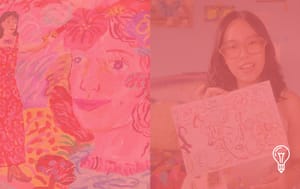
L’Oréal Groupe in Thailand, in collaboration with McCann Worldgroup, launched Beauty Inside Out, a social impact initiative that converts expired cosmetic products into art therapy kits for patients at Srithanya Hospital. Foundations, eye and lip products were repurposed into safe, usable materials and packaged with coloring pages and visual prompts created by Thai artist Juli Baker and illustrator Summer. Four hundred kits were distributed to support creativity, social interaction, and cognitive rehabilitation within structured therapeutic settings.
Beyond repurposing surplus stock, the initiative aligns waste minimization with mental health care access. By transforming discarded beauty goods into therapeutic resources, Beauty Inside Out reframes value in the supply chain while extending brand purpose to public well-being. It demonstrates how design collaboration and cross-sector partnership can mobilize neglected materials toward socially meaningful outcomes, strengthening legitimacy for sustainability claims.
The project functions as cultural re-signification: cosmetics shift from self-presentation to collective care, marking a transition from aspirational luxury codes to a gift-based ethic. This reframing leverages material semiotics—textures, pigments, and color play—turning beauty’s symbolic capital into participatory healing practices. As an instance of circular economy-in-practice, the program integrates environmental stewardship with social provisioning, converting a liability (expired inventory) into an affordance for therapeutic engagement. The servicescape of mental health care is enriched through sensory activation, enabling patients to co-create meaning and practice agency within guided sessions. The collaboration also exemplifies platformed prosocial branding, where corporate purpose is enacted through tangible utilities rather than messaging alone, thereby reinforcing trust and reducing purpose-washing risks. Finally, the initiative illustrates how consumer culture can be redirected from individual enhancement toward communal restoration, with aesthetic labor redistributed to empower patients as makers, not merely recipients.
Practical Implications for Organizations
- Build circular pipelines: audit expired or unsellable SKUs for safe repurposing into social utilities; codify QA protocols to mitigate risk.
- Operationalize purpose: convert ESG narratives into functional artifacts that deliver measurable outcomes in partner institutions.
- Co-design with cultural actors: engage local artists to translate brand semiotics into accessible therapeutic tools and inclusive aesthetics.
- Measure multi-capital ROI: track waste diverted, therapy session utilization, patient engagement metrics, and reputational lift.
- Architect care-centric servicescapes: design sensory toolkits that support autonomy, collaboration, and skill-building in clinical and community settings.
- Govern for scale: create templates for legal, safety, and procurement workflows so pilots can be replicated across markets with local partners.
Consumer tribes that may relate to this case study: