Meta Quest 3's Surface Keyboard: When Flatness Becomes Interface
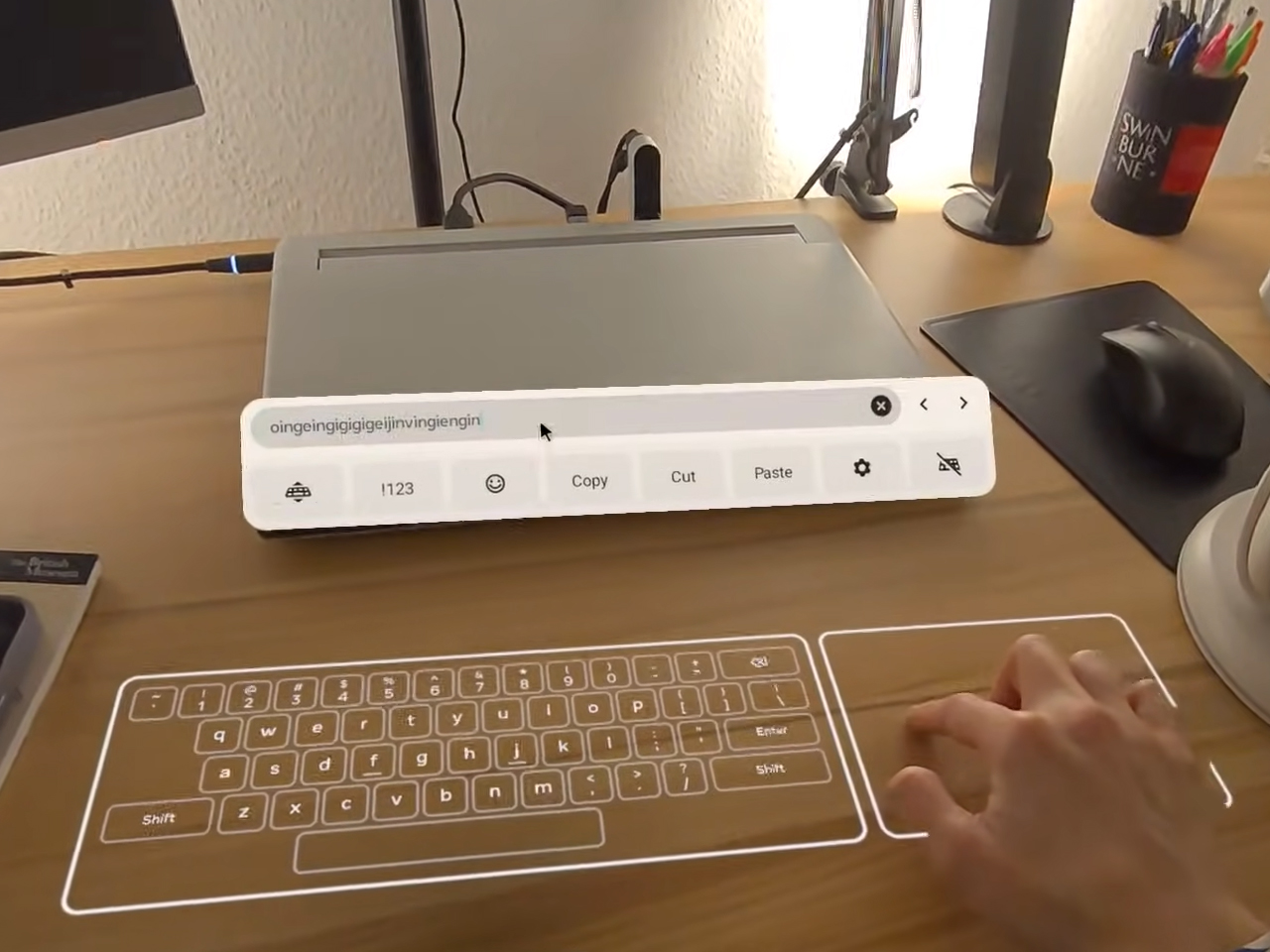
Meta's Surface Keyboard feature, introduced through the Quest 3 headset's v85 update, transforms any flat physical surface into a functional virtual keyboard and trackpad. By leveraging hand tracking and mixed reality passthrough, the feature allows users to map a typing interface onto desks, tables, or countertops, enabling text input and cursor control without any physical peripheral. Positioned as an experimental feature within Meta's public test channel, it targets casual productivity tasks such as browsing, messaging, and operating two-dimensional applications within the headset environment.
The significance of this development extends well beyond input convenience. It represents a meaningful threshold in mixed reality design, where the boundary between physical materiality and digital interface dissolves entirely. By converting inert surfaces into interactive zones, Meta collapses the traditional distinction between tool and environment, raising profound questions about how consumer interaction with branded ecosystems is materially structured.
The Surface Keyboard exemplifies what scholars describe as the cultural logic of flatness in interface design—where layered complexity is compressed into seamless, immediate interaction. The metaphor of flatness here operates doubly: the literal flat surface becomes a site of digital inscription, while the experiential register eliminates perceptible friction between intention and action. This resonates with theories of extended cognition, wherein technological devices function not as separate instruments but as genuine extensions of human cognitive and motor processes. The keyboard is no longer an object one possesses; it is a condition one activates. Simultaneously, the feature enacts a semiotic recoding of domestic and professional environments. A kitchen counter or office desk acquires new symbolic meaning within Meta's brand ecosystem, transforming mundane materiality into branded interaction space. This constitutes a subtle but powerful form of spatial colonization by platform logic. From a consumer culture perspective, the disappearance of the physical keyboard signals an aesthetic ideology where minimalism and dematerialization serve as markers of technological sophistication and cultural capital.
Practical Implications for Organizations
- CMOs should recognize that mixed reality transforms physical environments into brand touchpoints, requiring strategies that account for spatial context as a medium of engagement.
- Digital transformation leaders must evaluate how interface dematerialization reshapes user expectations around friction, convenience, and embodied interaction across product ecosystems.
- Organizations developing mixed reality products should invest in understanding the semiotic weight of everyday surfaces, designing interfaces that respect rather than overwrite existing environmental meaning.
- Product teams should treat experimental features as cultural signals, using early adoption feedback to refine not just usability but the broader narrative around brand innovation.
- Leaders must anticipate regulatory and ethical scrutiny as branded interfaces increasingly inhabit personal and domestic spaces without traditional material boundaries.
Consumer tribes that may relate to this Eureka:
 Eureka