Nautika Pro and the Semiotics of Maritime Business Class in the Andamans
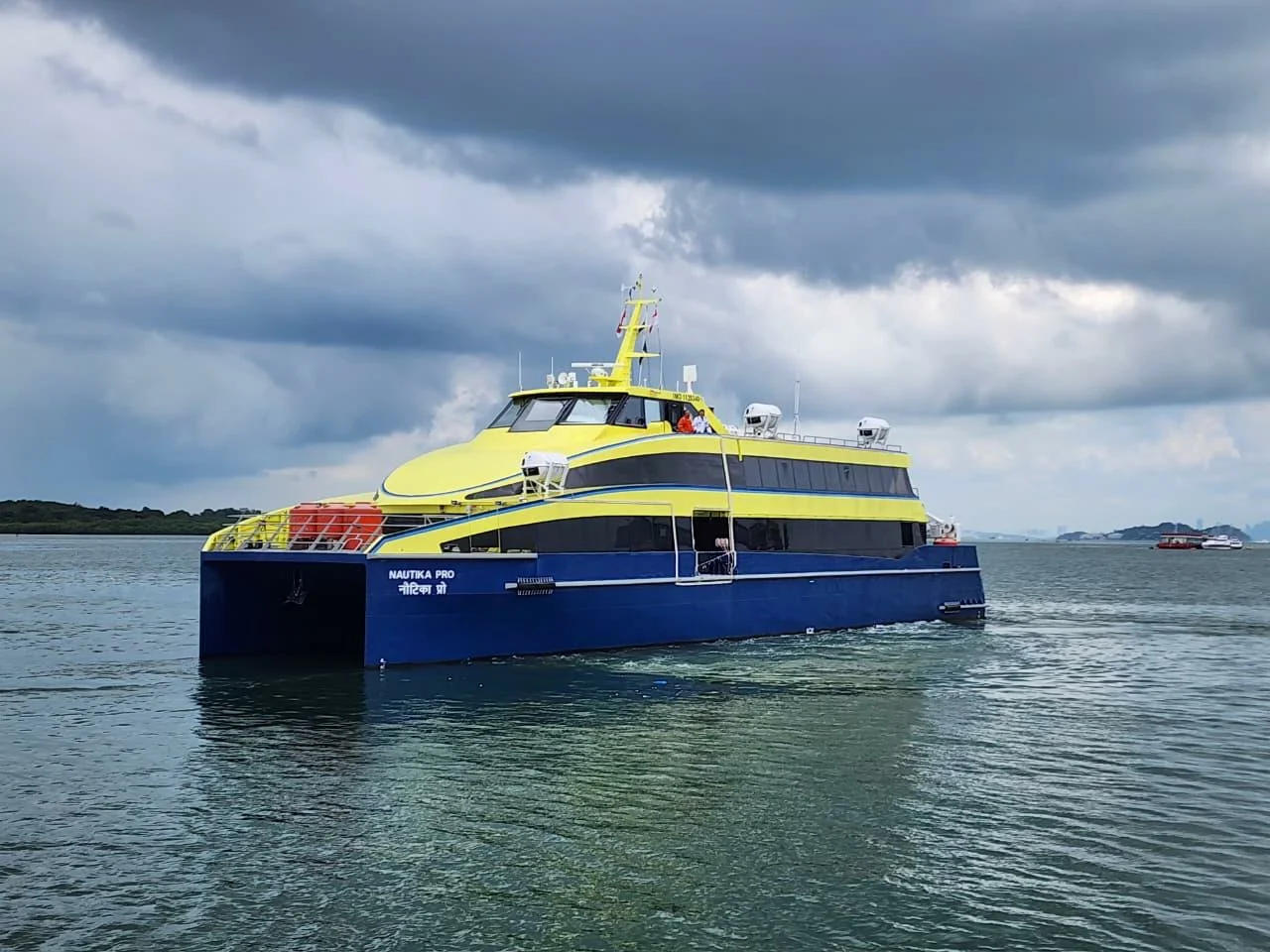
Nautika Pro launches a premium inter-island ferry positioned explicitly as a “business class” experience in the Andaman Islands, translating aviation-style status distinctions into a maritime tourism context. The vessel combines upgraded seating, enhanced cabin design, digital connectivity, curated hospitality, and smoother logistics into a differentiated corridor between key island destinations. Marketed through the rhetoric of comfort, efficiency, and exclusivity, Nautika Pro reframes routine sea transfers—often treated as functional necessities—into branded, aspirational journeys integral to the overall trip narrative.
This case is significant because it reveals how tourism infrastructures themselves become luxury signifiers and platforms for status performance within domestic Indian travel. Rather than limiting premiumization to hotels and airlines, Nautika Pro inserts business-class codes into a previously low-symbolic category: local ferries. The initiative exemplifies how mobility, connectivity, and “time well spent” are increasingly central to middle-class and affluent imaginaries of leisure, while also highlighting tensions between accessibility, hierarchy, and environmental responsibility in fragile island ecologies.
The ferry operates as a semiotic bridge between mass transport and luxury cruise culture. By mobilizing the label “business class,” Nautika Pro borrows symbolic capital from aviation—priority, privacy, productivity—while recontextualizing it for short-haul maritime passages. Digital amenities such as Wi‑Fi and device charging remediate time at sea as productive, shareable, and content-friendly, aligning with aspirational urban lifestyles and the desire to remain always connected. At the same time, the spatial segregation of passengers through differentiated seating zones reproduces class distinctions at sea, turning the hull into a stratified microcosm of contemporary Indian consumer culture.
This configuration also indicates a shift from destination-centric to journey-centric tourism, where interstitial spaces become monetizable experiences. The ferry is not simply infrastructure; it is a branded “third space” in which travelers rehearse identities as savvy global consumers while still embedded in domestic circuits. Yet in the Andamans, an ecologically sensitive and politically charged region, such premiumization raises questions about whose mobility is being enhanced, how infrastructures reorder local economies, and whether comfort-led design will coexist with or undermine commitments to sustainable and culturally respectful tourism.
Practical Implications for Organizations
- Design mobility services as branded experiential spaces, not mere logistics, using clear symbolic codes drawn from adjacent premium categories.
- Use labels like “business class” carefully, ensuring the service architecture (comfort, service scripts, digital layer) genuinely delivers on the implied status promise.
- Treat connectivity (Wi‑Fi, charging, content) as core symbolic value, integrating it into narratives of productivity, relaxation, and shareability.
- Map how classed spatial divisions on board shape perceived fairness and inclusivity, then adjust zoning and service rituals to avoid overt exclusion.
- Embed sustainability and local cultural references into the premium offering so that comfort does not appear to come at the expense of the islands’ ecological and social fabric.
- Coordinate with hotels, airlines, and tour operators to position the ferry as a seamless, co-branded leg in an integrated premium corridor rather than a standalone upgrade.
Consumer tribes that may relate to this case study:
 Eureka
 Eureka