Primark's Pre-Loved Capsule Denim: Reconciling Affordability with Circularity
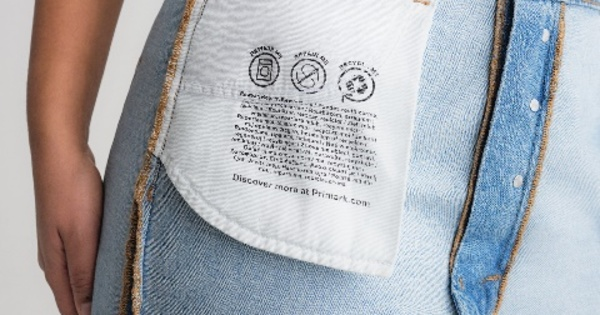
Primark, the Dublin-headquartered fast-fashion retailer known for high-volume, low-price apparel, launched its first Pre-Loved Capsule Denim collection, comprising five garments across womenswear and menswear. Each piece contains a minimum of twenty percent post-consumer recycled denim, tested against Primark's industry-leading Durability Framework and designed according to its Circular Product Standard to remove common barriers to end-of-life recycling. The initiative signals a deliberate pivot from disposability toward material longevity within a mass-market model.
The significance of this move extends well beyond a single capsule range. Primark operates at a scale and price point that reaches consumer segments largely excluded from premium sustainable fashion. By embedding circular design principles into affordable denim, the retailer challenges the prevailing assumption that sustainability and accessibility are mutually exclusive, potentially reshaping expectations across the broader value fashion sector.
Primark's initiative can be examined through the lens of brand semiotics and consumer culture. In fast fashion, signifiers of disposability — low price, trend velocity, volume — have historically constituted the dominant code. Primark's deployment of terms such as "pre-loved" and "circular design" introduces counter-signifiers that reposition the brand within an emergent cultural discourse of conscious consumption. This semiotic repositioning operates not merely at the communicative level but materially, since the garments themselves encode durability and recyclability into their construction. From a tribal consumption perspective, the collection invites identification with a community of values-driven shoppers who seek belonging through ethical purchase rather than conspicuous accumulation. The emotional resonance of participating in circularity — giving discarded textiles renewed purpose — fosters affective loyalty that transcends transactional incentives. Yet tension persists: Primark must navigate the authenticity gap between its core business model, built on volume throughput, and its sustainability narrative. Skeptical readings may interpret circularity at twenty percent recycled content as symbolic rather than substantive, raising questions about greenwashing. The brand's credibility will depend on whether this capsule functions as a threshold toward systemic change or remains a contained exercise in reputational management.
Practical Implications for Organizations
- Integrate circular design principles at the product-development stage rather than retrofitting sustainability claims onto existing ranges.
- Leverage semiotic repositioning carefully; ensure material product attributes substantiate any narrative shift to avoid consumer skepticism.
- Recognize that affordability amplifies sustainability impact — democratizing access to responsible consumption builds broader tribal loyalty than premium-only strategies.
- Develop robust durability standards and communicate them transparently, as measurable quality benchmarks strengthen trust more than abstract ethical messaging.
- Treat capsule collections as strategic pilots to test circular supply chains before scaling across the full assortment.
Consumer tribes that may relate to this Eureka:
 Eureka
 Eureka