The Modern Milkman: Reinventing Doorstep Delivery as a Circular Economy Platform
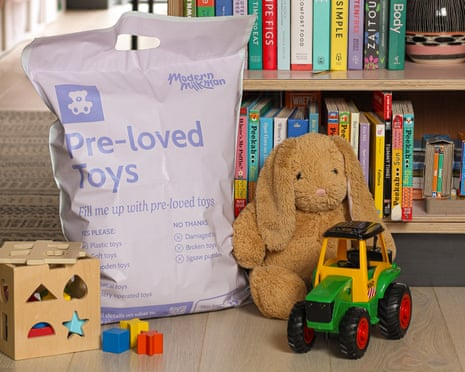
The Modern Milkman, a UK-based sustainable grocery delivery company co-founded by Simon Mellin and Becky Hilton, has expanded its service model beyond reusable-packaging grocery delivery to include the doorstep collection of unwanted electronics and toys. Partnering with recycling specialist EMR Group, the company now offers consumers a collection bag for broken or obsolete small appliances, mobile phones, laptops, and toys, which are picked up during routine delivery rounds and routed to EMR for repurposing or recycling. The service, initially piloted in select regions, is scaling nationwide across its sixteen regional hubs.
This initiative is significant because it transforms a conventional last-mile delivery operation into a bidirectional logistics platform that addresses the mounting crisis of electronic waste. By embedding circular economy principles into an existing consumer routine, The Modern Milkman demonstrates how purpose-driven brands can leverage existing infrastructure to generate environmental and commercial value simultaneously.
The Modern Milkman case exemplifies the semiotic reconfiguration of a mundane servicescape. The traditional milk round, culturally coded as nostalgic and trustworthy, is reappropriated as a vehicle for contemporary sustainability practice. This constitutes a form of brand bricolage, wherein heritage signifiers are reassembled to carry new meaning. The bidirectional service model also reflects the logic of platform intermediation without the extractive dynamics typically associated with digital platforms. Rather than monetizing consumer data, The Modern Milkman monetizes the return journey of its delivery fleet, creating value from logistical slack. From a consumer culture perspective, the service interpellates a particular ethical subject: the consumer who desires convenience but seeks to minimize environmental harm. The friction of e-waste disposal is reduced precisely at the point of habitual engagement, converting passive environmental concern into routine action. This aligns with theories of practice that emphasize how sustainable behavior must be embedded in existing social rhythms rather than imposed as separate moral effort.
Practical Implications for Organizations
- Audit existing logistics for underutilized capacity that could support reverse supply chains or circular service extensions.
- Partner with specialist firms to add environmental services without diverting core operational focus.
- Leverage heritage brand codes to authenticate new sustainability initiatives, building trust through cultural continuity.
- Design consumer participation mechanisms that integrate into habitual routines, reducing the behavioral cost of ethical action.
- Treat delivery touchpoints as dynamic servicescapes capable of expanding brand meaning beyond the primary product.
Consumer tribes that may relate to this Eureka:
 Eureka