VLGE and the Platformization of Fashion Worlds on Roblox
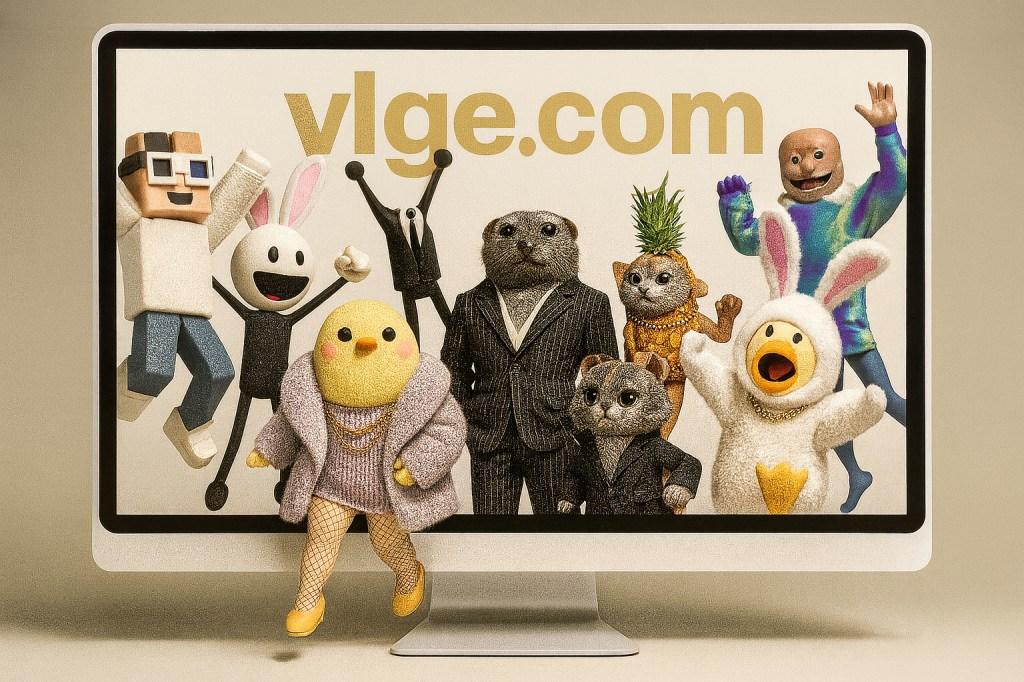
VLGE is a tooling and infrastructure layer built to simplify world-building and shoppable experiences on Roblox, particularly for fashion and lifestyle brands. Positioned between brands and Roblox’s native developer ecosystem, VLGE offers AI-assisted tools that promise world creation in minutes, alongside integrated commerce features that let users browse and buy digital (and often linked physical) products in immersive 3D spaces. The company’s collaborations with dozens of fashion brands and events such as World Fashion Week illustrate how Roblox is being reimagined as a retail and branding environment rather than solely a game platform.
This case is significant because it crystallizes the migration of fashion from static e-commerce and social media into programmable, participatory worlds. Rather than treating Roblox as a mere ad channel, VLGE encourages brands to use it as a cultural operating system: a place where identity, play, and shopping converge. It showcases the broader shift from “content marketing” to “world-making,” in which brands cultivate persistent environments that function simultaneously as stages, stores, and social clubs, governed by platform logics and creator tools.
VLGE operates as a meta-platform: it leverages Roblox’s underlying infrastructure while abstracting away technical complexity for non-coder fashion teams. This mediating position allows it to shape semiotic and economic flows—standardizing templates for how luxury, streetwear, or beauty are visualized, interacted with, and monetized in Roblox. The promise of AI-built worlds in minutes encodes a particular ideology of frictionless creativity, where design labor is compressed and routinized, yet cultural capital remains essential: success depends on reading and amplifying emergent vernaculars of youth culture, avatar aesthetics, and platform-native humor. Shoppable worlds also reconfigure consumer subjectivity. Players become “prosumer-citizens” of branded micro-societies, where identity work is conducted through skins, emotes, quests, and collectibles that are tightly integrated with commercial transactions. The boundary between gameplay and checkout is intentionally blurred, embedding commerce into rituals of socializing, exploration, and self-display. At the same time, reliance on Roblox’s datafied governance and algorithmic discovery embeds brands in a new dependency structure, where visibility, metrics, and revenue models are contingent on opaque platform decisions and evolving moderation regimes.
Practical Implications for Organizations
- Approach Roblox not as a campaign channel but as an ongoing cultural ecosystem requiring world-building, narrative arcs, and community care.
- Use partners like VLGE to lower technical barriers, while retaining strategic control over narrative, visual codes, and community rules.
- Design shoppable experiences where commerce is a seamless extension of play, rather than an intrusive overlay.
- Develop measurement frameworks that track identity and community metrics (e.g., repeat visits, guilds, UGC skins) alongside sales.
- Establish cross-functional teams combining brand, game design, and community moderation expertise to manage these worlds.
- Anticipate regulatory and ethical questions around youth audiences, data capture, and dark patterns in immersive commerce.
Consumer tribes that may relate to this case study:
 Eureka