
The Watermelon Sorbet Gambit: Brand Activism Versus Corporate Governance
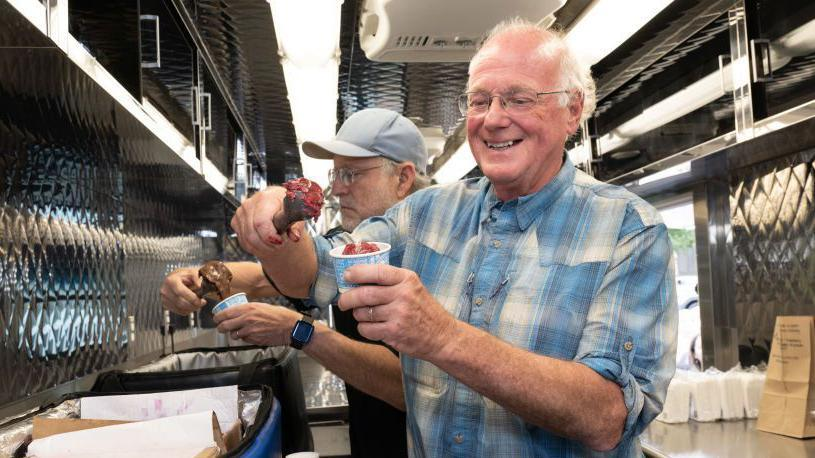
Ben Cohen, co-founder of Ben & Jerry’s, publicly announced an independent plan to launch a watermelon-flavored sorbet under his Ben’s Best label after Unilever declined to develop a Palestine-themed ice cream within the Ben & Jerry’s portfolio. The product concept draws on watermelon’s symbolic association with Palestinian solidarity and will carry calls for permanent peace and reparations. Cohen is crowdsourcing naming and ingredient ideas via Instagram. Unilever’s ice cream arm stated that now is not the right time to invest in such a product, emphasizing that Ben & Jerry’s commercial strategy is separate from its independent board. The episode extends a long-running tension between the brand’s social mission and the constraints of a global corporate owner.
This case matters because it dramatizes the frictions at the intersection of cultural politics, transnational brand stewardship, and risk governance. It shows how founder-led moral entrepreneurship can migrate across organizational boundaries, converting personal social capital into a para-brand initiative, and stress-tests the limits of delegated autonomy within acquisition agreements. It also surfaces how symbolism, category codes, and algorithmically mediated publics can accelerate or punish corporate choices in real time.
At stake are competing logics: an activist brand identity built on moral signaling and movement alignment, and a corporate risk calculus anchored in geopolitical exposure, shareholder accountability, and stakeholder neutrality. The watermelon sorbet is semiotically overdetermined: its color palette, naming, and ingredient rhetoric align a dessert with a contested geopolitical narrative, transforming a sensory good into an identity object. Such politicized propositions intensify consumer sorting, activating identity-based approach/avoidance and encouraging boycotts, buycotts, and virtue signaling. Platform dynamics further amplify contention: crowdsourced co-creation reframes product development as participatory politics, while corporate refusals read as censorship to activist audiences and fiduciary prudence to others. The governance architecture—an independent board within a parent conglomerate—reveals structural ambivalence: symbolic autonomy without full control of portfolio decisions. Finally, category codes matter: ice cream is conventionally coded as indulgent and playful; inserting conflict-laden discourse produces dissonance unless carefully reframed through authenticity, care ethics, or humanitarian relief schemas.
Practical Implications for Organizations
- Calibrate mission-market fit: map cultural risk by segment, market, and channel; distinguish expressive value creation from revenue risk in polarized contexts.
- Build governance clarity: codify escalation paths for socio-political initiatives, defining who decides, on what criteria, and with what disclosure.
- Scenario-plan semiotic outcomes: stress-test names, colors, and claims across cultural repertoires to pre-empt unintended alignments and misreadings.
- Separate brand theaters: use sub-brands, limited drops, or philanthropic SKUs to ring-fence activism while protecting core lines and international franchises.
- Design participatory buffers: channel crowdsourcing into exploratory pilots with explicit opt-in geographies, time-bounded trials, and clear learning metrics.
- Prepare counterpublic engagement: craft parallel narratives for supportive, neutral, and oppositional audiences; synchronize crisis, legal, and retail partners.
- Align incentives: tie KPIs to multi-capital outcomes (brand equity, employee morale, regulatory exposure), not only short-term sales.
- Govern platform spillover: monitor algorithmic amplification and coordinate message cadence across Instagram, X, and retail touchpoints to avoid narrative vacuums.
Consumer tribes that may relate to this case study:
 Eureka
 Eureka
 Eureka