
Methodiq by Oddity Tech: Platformizing Telehealth Skincare
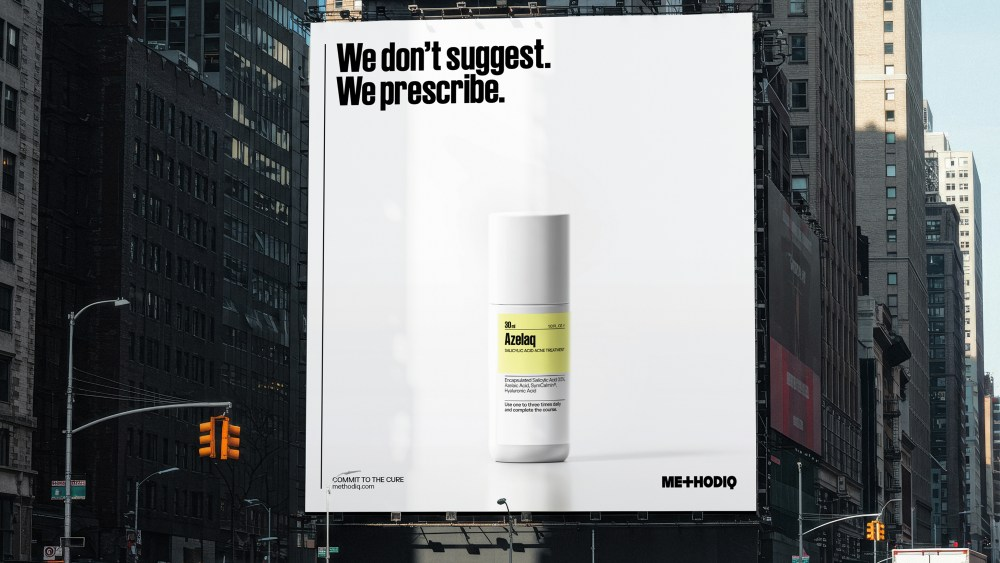
Oddity Tech’s Methodiq is a telehealth platform that extends the company’s data-driven beauty model into medical-grade skin care. Building on its existing base of tens of millions of users, Oddity connects AI-powered skin analysis, remote medical consultations, and a portfolio of prescription, over-the-counter, and cosmetic formulations. Methodiq initially targets conditions such as acne, hyperpigmentation, and eczema, bundling diagnostics, product fulfillment, and ongoing care within a single digital interface. The brand architecture positions Methodiq alongside Il Makiage and SpoiledChild as part of a unified, data-intensive ecosystem.
Beyond an incremental brand launch, Methodiq signals the migration of platform logics from retail beauty into quasi-clinical care. By fusing biotech-derived ingredients, algorithmic personalization, and telemedicine, Oddity consolidates multiple market roles: marketplace, clinic, laboratory, and media channel. This convergence illustrates how beauty and wellness are being reorganized around infrastructural ownership of data, recommendation engines, and subscription-like care pathways, rather than around discrete products alone.
Methodiq exemplifies platform power entering intimate domains of the body and self-care. Skin becomes a site where consumer culture, medical authority, and algorithmic classification intersect. Users are interpellated simultaneously as patients, shoppers, and data sources, governed by automated triage, recommender systems, and risk-scored profiling. This reconfigures traditional boundaries between dermatology and beauty retail, normalizing an elastic continuum from “concern” to “condition” that can be continuously managed through purchasable protocols. The platform embodies a form of technoliberal subjectivity, inviting individuals to pursue optimized, “medically informed” self-fashioning while obscuring asymmetries of expertise, data ownership, and economic power. Telehealth here is less a neutral channel than a socio-technical apparatus that structures choice, narrows clinical scripts to product-linked solutions, and potentially deepens surveillance capitalism through biometrically anchored behavioral data. At the same time, Methodiq reveals how biotech, AI, and direct-to-consumer infrastructures can disembed clinical-like interventions from geographic and institutional constraints, reassembling care as an on-demand, brand-mediated service.
Practical Implications for Organizations
- Treat data-rich platforms as long-term infrastructure, not campaigns; design governance for consent, retention, and cross-brand portability from the outset.
- Integrate medical, scientific, and brand voices into a single coherent narrative to avoid tensions between clinical authority and commercial intent.
- Build recommendation systems that expose users to multiple treatment logics (lifestyle, cosmetic, pharmacological) rather than a single upsell funnel.
- Embed strong clinical and ethical guardrails in algorithmic triage and personalization, including human-in-the-loop review for higher-risk pathways.
- Use telehealth touchpoints to generate longitudinal insights (adherence, flare patterns, satisfaction) to refine products and protocols iteratively.
- Anticipate regulatory and reputational scrutiny by operationalizing transparency: explain how diagnostics work, how data circulates, and where commercial incentives sit.
Consumer tribes that may relate to this case study:
 Eureka
