K-Pop Demon Hunters: Fanworlds, Freebies, and the Aesthetics of Access
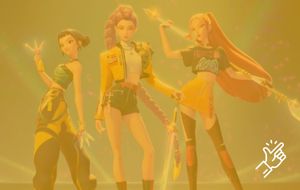
The case centres on Netflix’s animated fantasy film “K-Pop Demon Hunters” and the platform’s decision to release a free, 142-page digital art book titled “The Art of K-Pop Demon Hunters”. Distributed via online media such as NME and other entertainment outlets, the book offers character explorations, behind-the-scenes world-building, and visual development material traditionally reserved for paid “collector” editions. Rather than a niche artefact aimed solely at hardcore animation aficionados, this free art book is framed as an open invitation for all viewers to step “backstage” into the creative pipeline of the movie. It upgrades a one-way viewing experience into a multi-layered visual archive that can be browsed, saved, and recirculated across digital platforms.
Beyond promotional utility, the move exemplifies a shifting political economy of fan engagement in global streaming culture. The art book assembles anime-inflected aesthetics, K-pop visual codes, and demon-hunter fantasy into a hybrid style designed for transnational circulation and participatory remix. Making these production images freely accessible reconfigures the symbolic boundary between professionals and audiences: viewers are not simply consuming a finished spectacle but are invited to inhabit the film’s aesthetic logic, appropriate its visual language, and potentially reuse it in their own creative outputs. The art book becomes both a gift and a soft infrastructure for emergent fanlabour, transmedia storytelling, and identity play within a platform-governed ecosystem.
By releasing a high-value resource without monetary charge, Netflix tactically extends the “paratextual” life of “K-Pop Demon Hunters”. The art book functions as an affective primer, deepening attachment by revealing the craft logics, stylistic decisions, and cultural references that underpin the film. In Consumer Culture Theory terms, it nourishes a brand-mediated “tribe” whose sociality revolves around shared aesthetic appreciation, insider knowledge, and practices of collection and display. The digital format and zero price point structure a low-friction entry into this tribe, framing access as a right rather than a privilege, even as data extraction and attention capture continue in the background. Visual transparency doubles as algorithmic opacity: while fans are shown the making-of images, they are not shown how such offerings are strategically tuned to platform metrics and recommendation engines.
At the same time, the free art book positions Netflix as a cultural intermediary curating not just stories but visual education. It normalizes a pedagogy in which young viewers learn the grammars of character design, color scripting, and world-building through corporate IP rather than independent or public institutions. This contributes to a broader “aesthetic enclosure,” where the tools for learning to see and draw are bundled with a specific cosmopolitan, K-pop-adjacent brand sensibility. Yet, the downloadable format also opens space for tactical reappropriation: fans can screenshot, annotate, meme, cosplay, or trace these images, turning proprietary design into raw material for their own narrative universes, fanfiction, and digital artworks.
Practical Implications for Organizations
- Treat high-resolution concept art, style guides, and “making-of” materials as strategic fan infrastructure, not just PR collateral.
- Use free digital art books to seed transmedia storytelling and encourage fan-created extensions (fanart contests, cosplay, remix prompts).
- Design such artefacts as educational resources, showcasing process (iterations, sketches, pipelines) to deepen respect for creative labour and build aspirational ties.
- Localize visual references and paratexts to resonate with specific fan cultures (e.g., K-pop visual tropes, anime conventions, gaming aesthetics) while maintaining coherent brand worlds.
- Instrument art book distribution with clear but ethical metrics (downloads, shares, derivative content) to inform content greenlighting and franchise expansion.
- Anticipate issues of authorship and credit: foreground individual artists and production teams to humanize the brand and preempt critiques of exploitative invisibility.
Consumer tribes that may relate to this case study: