Openigloo’s Marathon Street Theater: Guerrilla Branding in Motion
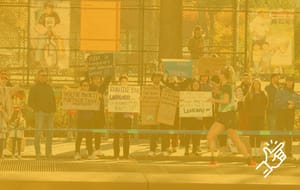
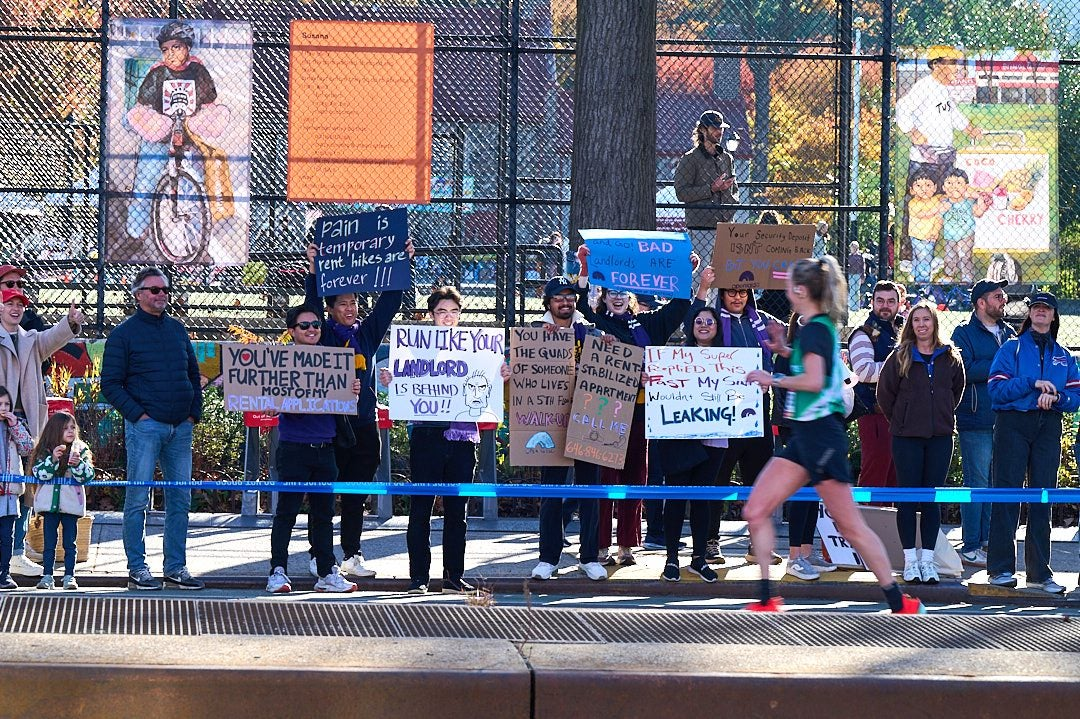
At the NYC Marathon, Openigloo, a rental ratings and reviews platform, staged a low-budget, high-visibility guerrilla activation built around handmade signs featuring “rental humor” puns and insider references. Rather than purchasing official sponsorships or erecting branded structures, the team placed staff and friends along the course with posterboard messages that playfully linked the pain, perseverance, and absurdity of distance running to similarly fraught New York rental experiences. Social-friendly, lo-fi visuals encouraged spectators and runners to photograph, share, and meme-ify the encounter.
The campaign’s significance lies in how it translated dry, functional utility—landlord reviews and housing data—into a living, affective brand experience embedded in a major civic ritual. By piggybacking on the marathon’s emotional intensity and communal ethos, Openigloo converted a niche platform into a recognizable cultural voice. The brand effectively hacked attention flows at scale, demonstrating how modest, situational interventions can rival traditional sponsorships in cultural impact, while foregrounding tenants’ everyday struggles in a context dominated by athletic heroism and official partners.
Openigloo’s activation exemplifies how brands can inhabit, rather than merely sponsor, urban rituals. The campaign reframed the marathon route as a semiotic corridor in which humor, pain, and shared urban knowledge circulate. The handmade, imperfect aesthetic signaled authenticity and insider status, aligning the brand with renters’ lived experiences rather than with institutional power. From a consumer culture perspective, the signs worked as micro-narratives that connected bodily exertion (“this hill is like a fifth-floor walk-up”) with structural housing precarity, inviting runners to co-create meanings through photos and captions.
Digitally, the activation operated as a “pop-up archive”: ephemeral performances on the street converted into enduring digital traces via social media. The lo-fi format lowered the threshold for user-generated content while amplifying memetic spread. The campaign also leveraged tribal dynamics, tapping into overlapping communities of runners and renters whose identities are built around endurance, hustling, and mutual support in a demanding city. Algorithmically, its success depended on platform-friendly visual hooks and copy that could travel well in feeds without paid amplification.
Practical Implications for Organizations
- Use civic rituals and large-scale events as cultural stages, entering as a participant with a point of view rather than as a distant sponsor.
- Design “lo-fi premium” creative: simple, human-made visuals that look native to the street and to social feeds, signaling authenticity.
- Anchor humor in deep category insight so jokes function as brand education about real consumer pain points, not just entertainment.
- Treat physical interventions as seed content for a wider digital narrative, planning caption prompts, hashtags, and storyline arcs in advance.
- Align with underrepresented stakeholders (e.g., renters vs. landlords) to position the brand as an advocate inside existing power structures.
- Prototype small, agile guerrilla experiments, then scale elements that show strong organic sharing and community uptake.
Consumer tribes that may relate to this case study:
 Eureka