Overtune x Roblox: Virtual Studios and the Platformization of Music-Making
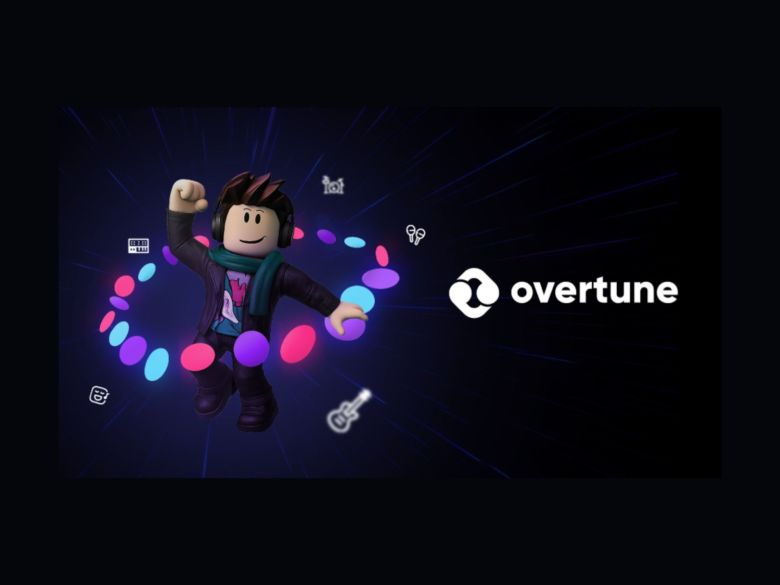
Overtune is developing a fully interactive “virtual music studio” inside Roblox, extending its existing mobile-based “Sequencer” technology into a shared, game-native environment. Within this experience, Roblox users will be able to make tracks collaboratively, stage live performance “battles,” and present their creations to virtual audiences. The studio is framed not as a passive branded space but as an infrastructural layer for music practice, performance, and social play within the Roblox ecosystem.
Beyond a product extension, the move represents a strategic alignment between Overtune’s low-barrier creation tools and Roblox’s broader creator economy. It effectively embeds music production into a broader culture of user-generated content, avatars, and micro-transactions, where music-making is reframed as a social game mechanic. The case illustrates how platforms are turning cultural practices—here, music composition and performance—into native, monetizable features rather than external add-ons.
The virtual studio can be read as part of the ongoing “platformization” of creativity, where cultural labor is modularized into tools, templates, and presets. Overtune translates complex music production workflows into playful, gamified interfaces, lowering technical barriers but also subtly channeling aesthetic outcomes through pre-designed patterns and loops. In doing so, it relocates musical authorship from individual, expert producers to loosely coordinated swarms of prosumers whose output is continuously shaped by Roblox’s algorithmic visibility and social feedback systems.
At the same time, the Roblox context foregrounds identity play and performativity. Music is not only audio content but also a resource for avatar self-expression, social distinction, and in-group belonging. The “battle” mechanic, leaderboards, and virtual audience introduce competitive and reputational dynamics that may privilege spectacle, virality, and meme-ability over experimentation. Yet, the shared studio can also enable emergent musical subcultures, where young users collectively learn, remix, and iterate, blurring lines between fan practice and professional aspiration.
Practical Implications for Organizations
- Design creative tools as social environments: move from solitary utilities to shared, game-like spaces where creation, performance, and chat co-exist.
- Lower skill thresholds without over-determining aesthetics: offer presets and templates, but keep open-ended pathways for more advanced experimentation and customization.
- Integrate creation directly into your platform’s economy: connect tools to badges, virtual goods, and revenue-sharing schemes that reward sustained participation.
- Treat audiences as co-creators: enable remixing, duets, battles, and collaborative modes that convert spectators into active contributors.
- Measure more than engagement time: track emergent genres, social networks, and learning trajectories as indicators of long-term cultural value.
- Anticipate governance issues early: define policies on ownership, moderation, and attribution for user-generated works produced inside your branded tools.
Consumer tribes that may relate to this case study:
 Eureka