Samsung’s “Verkligheten”: Reality TV as Shared Screen Culture
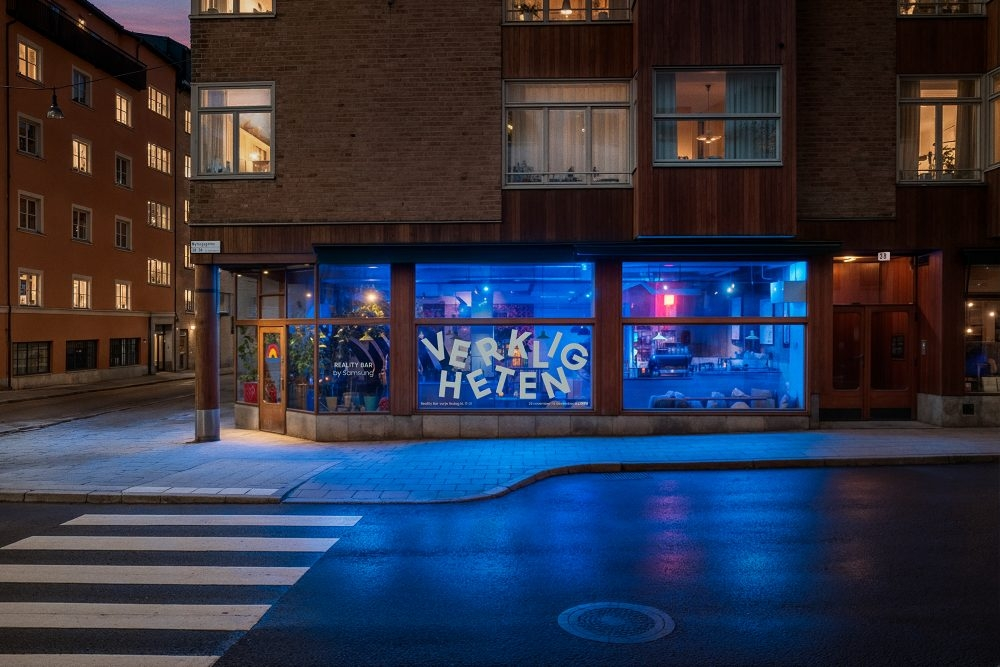
“Verkligheten” is a Samsung initiative that transforms reality TV from a solitary, sofa-based pastime into a collective, screen-centered social experience. Using Samsung TVs as the primary interface, the concept links dispersed reality TV fans and stages communal viewing in dedicated spaces, including a sports-bar-like pop-up in Stockholm, alongside rollouts in markets such as Kazakhstan and Canada. The TV becomes more than a distribution device: it is positioned as a social hub that orchestrates co-watching, commentary, and participatory fandom around reality formats.
Beyond a product showcase, “Verkligheten” signals a strategic move in how a technology brand imagines domestic and public screen culture. It attempts to appropriate the social energies of sports bars, fan forums, and second-screen chatter, and recode them as attributes of Samsung’s connected TV ecosystem. In doing so, it highlights how platforms can curate “synthetic togetherness” for audiences who are physically co-present or networked at a distance, redefining what counts as reality, liveness, and community in contemporary media consumption.
“Verkligheten” can be read as a form of cultural engineering in which Samsung curates a branded lifeworld around reality TV. The campaign mobilizes consumer culture logics of fandom, spectatorship, and affective investment, while recasting them as affordances of Samsung hardware and interfaces. The pop-up space and connected features operate as a marketing hypertext: a network of touchpoints linking physical venues, TV interfaces, social feeds, and word-of-mouth narratives. Spatial metaphors are central here: the living room, the bar, and the global fan community are collapsed into a single symbolic “room” orchestrated by the brand.
The initiative also exemplifies how brands seek to domesticate algorithmic culture. Recommendation systems, content discovery, and data-driven personalization are folded into convivial experiences that foreground co-presence and conversation rather than computation. Yet this conviviality is structured: moderation tools, curated line-ups, and interface design subtly steer attention and normative judgments about taste, morality, and lifestyle. In this sense, “Verkligheten” becomes a site where media socialization, consumer surveillance, and aspirational self-presentation converge under the sign of entertainment.
Practical Implications for Organizations
- Design brand experiences as hypertexts that connect devices, venues, and social platforms into one narrative journey rather than isolated campaigns.
- Reframe products as social infrastructures: ask how hardware and interfaces can host communities, not just deliver content or utility.
- Use pop-up spaces as semiotic laboratories to test new social rituals around media, then translate successful patterns back into at-home experiences.
- Make algorithmic personalization feel communal by integrating watch-parties, shared playlists, and participatory commentary features.
- Attend to governance: define clear moderation, data-use transparency, and consent practices to preserve trust in socially dense brand spaces.
- Map and leverage fan cultures as co-creators of meaning, allowing their vernacular practices to shape formats and on-screen storytelling.
Consumer tribes that may relate to this case study:
 Eureka