The Quantified Body: How Continuous Glucose Monitors Are Reshaping Consumer Self-Regulation and Wellness Culture
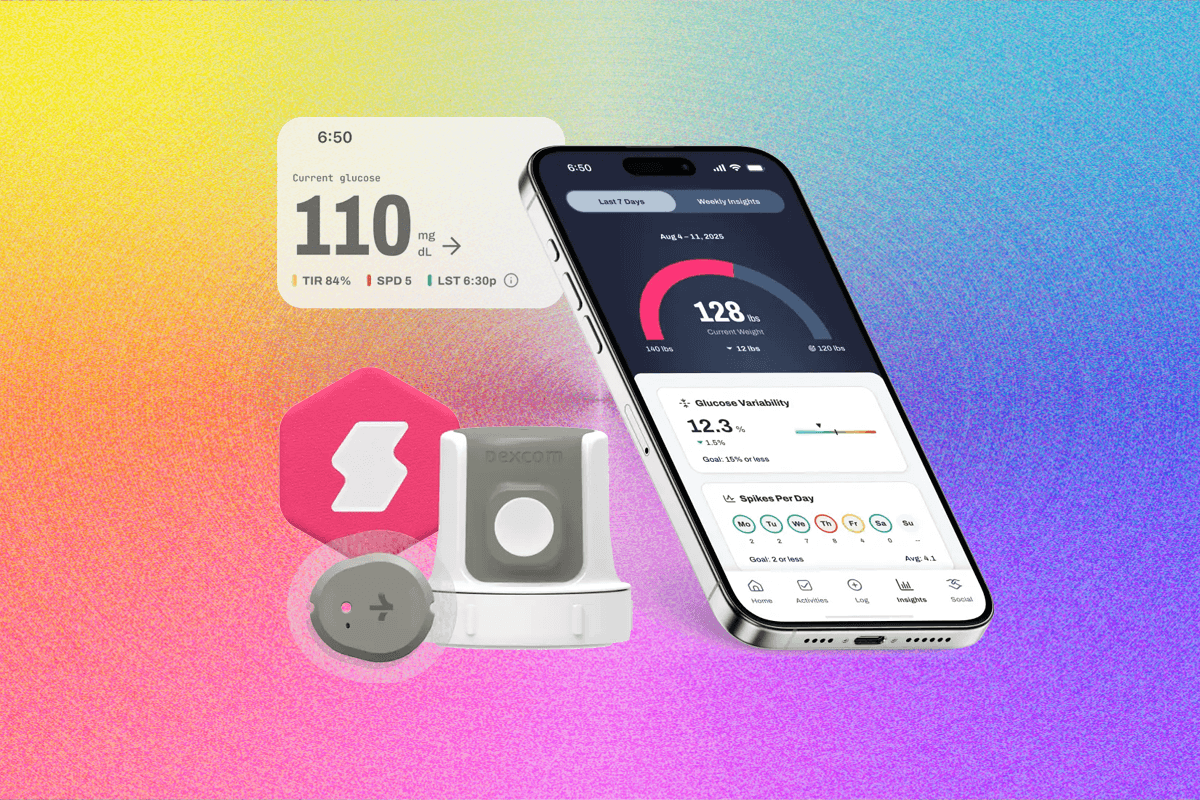
Continuous glucose monitors (CGMs), once restricted to prescription-based diabetic care, have entered the mainstream consumer wellness market through over-the-counter devices such as Abbott Lingo, Dexcom Stelo, and the AI-powered Signos platform. These wearable biosensors attach to the skin and deliver real-time glucose data, enabling users to observe how meals, exercise, and sleep affect metabolic response. Signos, which received FDA clearance as the first glucose monitoring system specifically for weight management, pairs Dexcom hardware with an AI-driven app offering personalized dietary insights and behavioral coaching.
This shift carries broad significance. It signals the convergence of medical technology, consumer culture, and algorithmic personalization into a single self-surveillance artifact. CGMs exemplify how biometric datafication is redefining health not as a clinical endpoint but as an ongoing consumer practice mediated by digital platforms and subscription models.
From a theoretical standpoint, CGMs function as technologically mediated feedback loops that restructure the dynamics of self-regulation. By rendering glucose responses visible in real time, these devices reframe dietary choice from abstract intention into concrete, quantified progress. This mirrors the distinction between commitment and progress representations of goals: users who observe measurable bodily feedback are prompted to sustain goal-congruent behavior rather than defer it. The immediacy of biometric data also generates a form of regulatory fit, where pursuing health through vigilant monitoring aligns with a prevention-oriented motivational system, producing the subjective sense that one's actions "feel right." This affective reinforcement strengthens engagement and reduces the likelihood of yielding to temptation. Simultaneously, CGMs operationalize sousveillance—self-directed monitoring that grants individuals epistemic authority over their own bodies. Yet the delegation of dietary judgment to algorithmic recommendation introduces critical questions about consumer autonomy and the commodification of metabolic anxiety among non-diabetic populations.
Practical Implications for Organizations
- Leverage real-time biometric feedback as a behavioral nudge architecture, embedding self-regulation cues directly into product ecosystems.
- Design subscription wellness platforms that frame user data through commitment rather than progress narratives to sustain long-term engagement.
- Ensure algorithmic health recommendations are transparent and evidence-based to maintain consumer trust and avoid regulatory scrutiny.
- Position wearable health technologies at the intersection of prevention-focused messaging and personalized data storytelling to maximize persuasive resonance.
- Anticipate growing consumer demand for datafied wellness and prepare organizational capabilities in AI-enabled health personalization.
Consumer tribes that may relate to this Eureka:
 Eureka