The Fluidity of Sonic Space: Analyzing the Hybridity of the TDM Neo
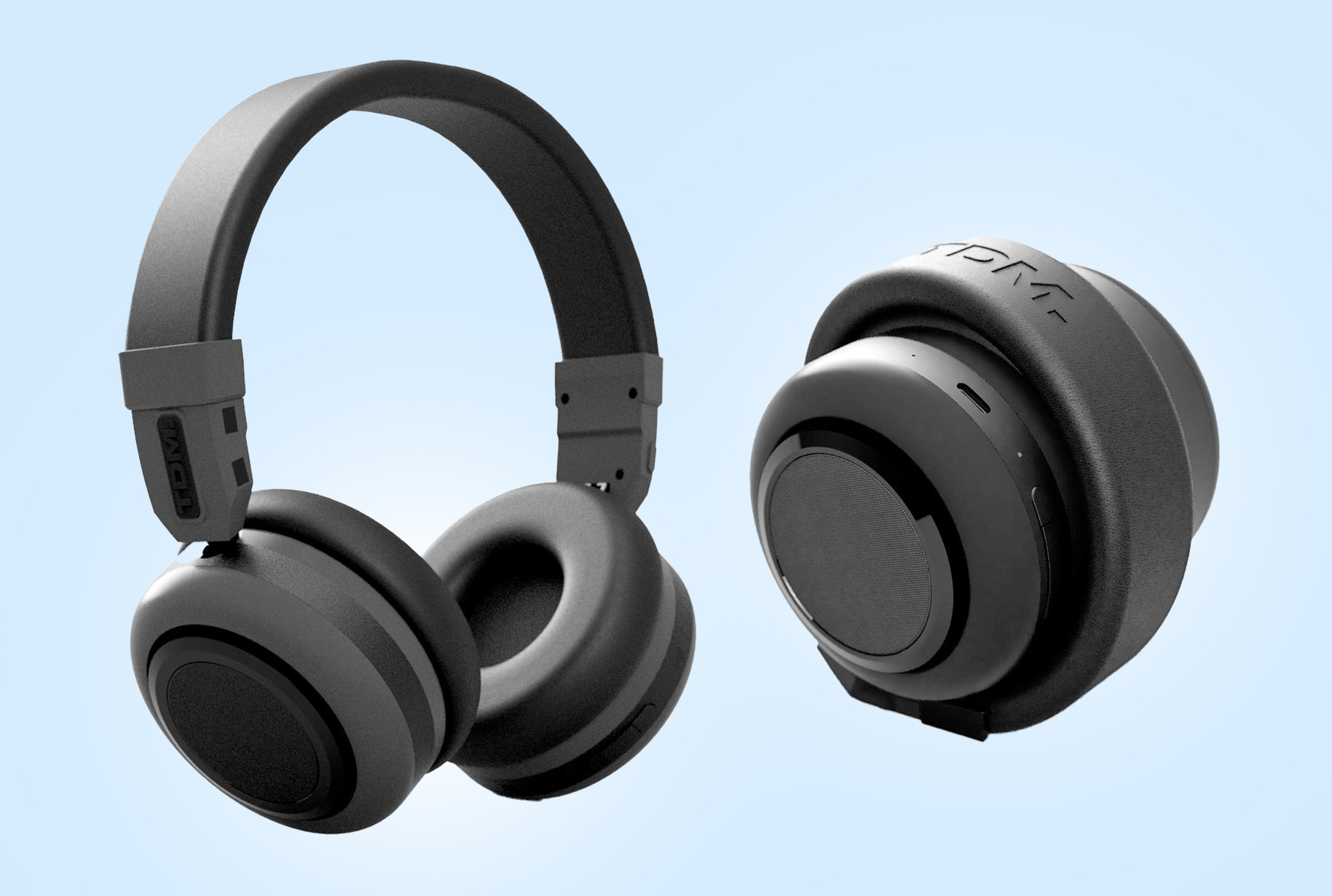
The TDM Neo represents a significant evolution in personal audio hardware, challenging the traditional binary between private consumption and public broadcasting. Emerging from a crowdfunding campaign and capturing attention at CES, this device functions primarily as a set of high-fidelity wireless headphones. However, through a novel mechanical design, the headband and earcups can be twisted and "rolled up" to transform the unit into a standalone Bluetooth speaker. Equipped with Bluetooth 6 multi-point connectivity and a ten-hour battery life in speaker mode, the Neo allows users to seamlessly transition from an isolated acoustic environment to a shared social experience without changing devices.
The broader significance of the TDM Neo lies in its materialization of "liquid" consumer lifestyles, where flexibility and adaptability are paramount. By dissolving the hardware distinction between the "self" (headphones) and the "social" (speakers), the device caters to a nomadic digital generation that demands instant convertibility of their environment. It reflects a cultural shift where technology is no longer just a tool for consumption but a mediator of social boundaries, allowing the user to rapidly renegotiate their relationship with public spaces and those around them through sound.
The TDM Neo can be understood through the lens of sociotechnical affordances, specifically how the device’s form factor dictates social interaction. By integrating two distinct modalities—the introspective (headphones) and the convivial (speaker)—the device embodies the collapse of context inherent in late-modern digital culture. This hybridity challenges the concept of "acoustic bubbles," typically associated with headphone use as a defense mechanism against urban sensory overload. Instead of permanently isolating the user, the Neo frames isolation as a temporary, reversible state, emphasizing agency over one's sonic territory.
Furthermore, the device illustrates the commodification of versatility within the "access economy." The value proposition is not merely audio fidelity, but the semiotic power of the device to signal the user's readiness for spontaneous sociality. This aligns with theories regarding the "prosumer," where the user is not just consuming content but actively producing the social atmosphere. The physical act of twisting the headphones into a speaker serves as a ritualistic transition, a performative gesture that signals a shift from the private sphere to the public domain, effectively rewriting the social script of the immediate environment through technological intervention.
Practical Implications for Organizations:
- Design for Liminality: Product development should focus on devices that bridge multiple social contexts (e.g., work/play, private/public) rather than specialized single-use tools, acknowledging the fluid nature of modern consumer lifestyles.
- Ritualize the Transition: Create physical or digital mechanisms that make the mode-switching experience tactile and satisfying; the "twist" is a branding moment that signifies a change in user mindset.
- Market Adaptability over Fidelity: Marketing narratives should prioritize the user's ability to control and alter their social environment over pure technical specifications, appealing to the desire for agency in unpredictable settings.
- Target the "Nomadic" Persona: Focus messaging on consumers who view their office, living room, and social spaces as interchangeable, positioning the product as the constant anchor in a shifting landscape.
Consumer tribes that may relate to this case study:
 Eureka
 Eureka