
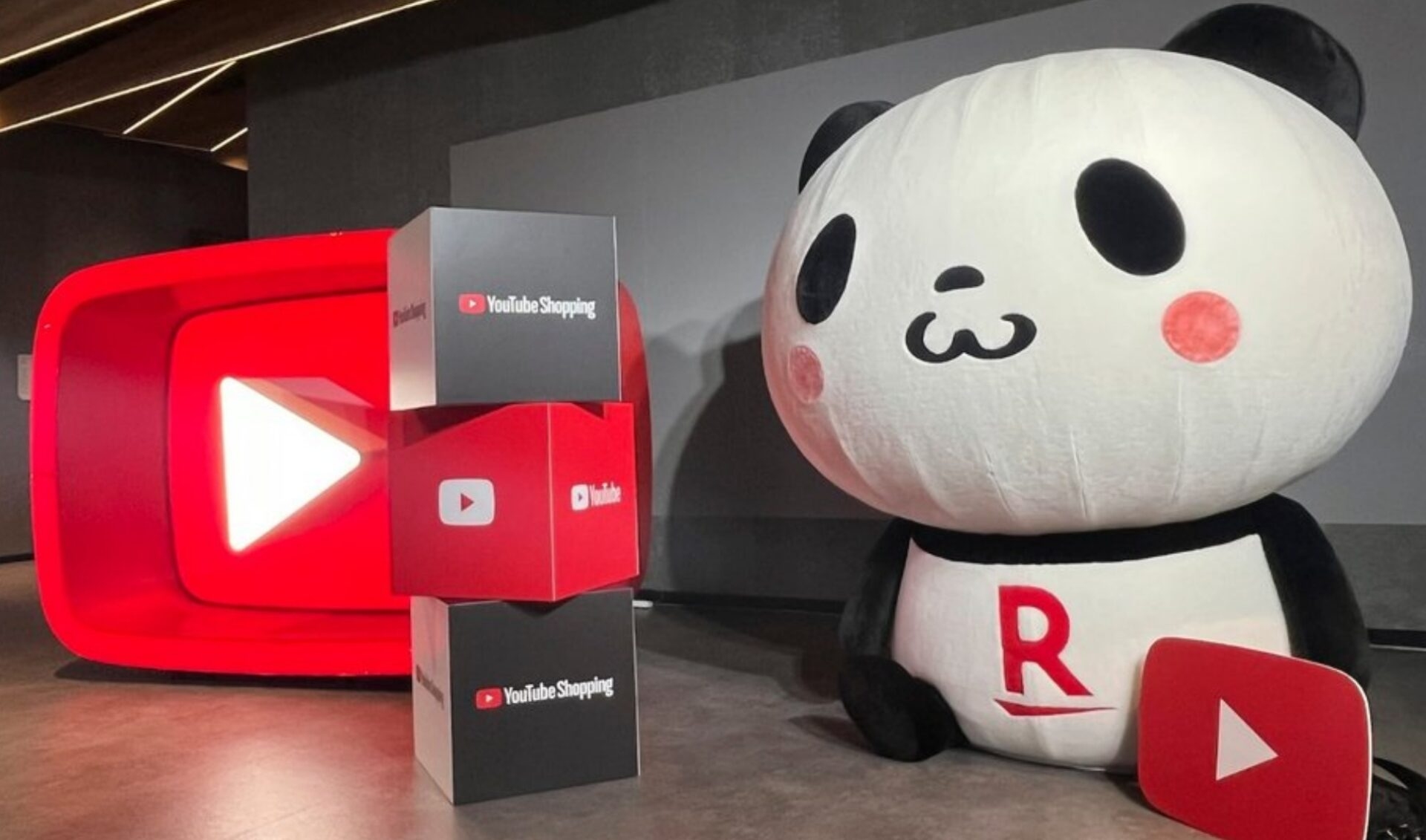
V-Commerce and the Platformization of Trust: YouTube Shopping Meets Rakuten Ichiba
YouTube and Rakuten Ichiba have entered a strategic partnership to integrate shoppable video experiences within the Japanese market. Through YouTube's Shopping affiliate program, Rakuten products now appear within creator videos via a "View Products" button, enabling viewers to discover items, review pricing, and proceed to purchase without leaving the viewing experience. Creators earn commissions on resulting sales, establishing a triangulated value exchange between the platform, the merchant, and the content producer. YouTube Japan Managing Director Naomi Yamakawa framed the initiative as leveraging "creator trust" to connect merchants with "highly engaged fan communities."
This partnership carries broader significance as a paradigmatic instance of v-commerce—an emergent e-commerce model leveraging video, voice, and virtual reality. It positions YouTube in direct competition with TikTok Shop, which has aggressively collapsed the boundary between entertainment and transaction. For Rakuten, the collaboration extends marketplace visibility beyond conventional search-driven discovery into content-native environments where purchase intent is shaped by parasocial identification rather than utilitarian browsing.
This case exemplifies the dissolution of boundaries between sociality and commerce that characterizes contemporary platform capitalism. The integration of affiliate shopping into creator content operationalizes the "like economy," where accumulated social capital—measured in subscriptions, engagement, and perceived authenticity—becomes directly convertible into economic value. Creator recommendations function as a form of symbolic endorsement embedded within performances of self, transforming consumption acts into semiotic displays that simultaneously construct identity and generate revenue. The partnership also illustrates platformization: modular, programmable infrastructures extending across ecosystems, embedding commercial transactions within cultural content. By anchoring purchase decisions in parasocial trust rather than traditional advertising rhetoric, YouTube and Rakuten exploit the affective dimension of social identity, where emotional attachment to creators drives behavioral outcomes that cognitive advertising alone cannot achieve. This represents a deepening of commodification, as everyday cultural expression becomes inseparable from marketplace logic, and the symbolic capital of influence is systematically translated into transactional flows.
Practical Implications for Organizations
- Invest in creator-affiliate architectures that embed product discovery within trusted content rather than interruptive advertising formats.
- Recognize that affective identification with creators drives use behavior; prioritize long-term creator relationships over transactional influencer campaigns.
- Ensure product pages are optimized for content-native referral traffic, as conversion increasingly originates outside traditional marketplace search.
- Monitor competitive v-commerce developments across platforms to maintain strategic agility in rapidly evolving social shopping ecosystems.
- Leverage cross-platform data integration to map the full consumer journey from content engagement to purchase completion.
Consumer tribes that may relate to this case study:
 Eureka