
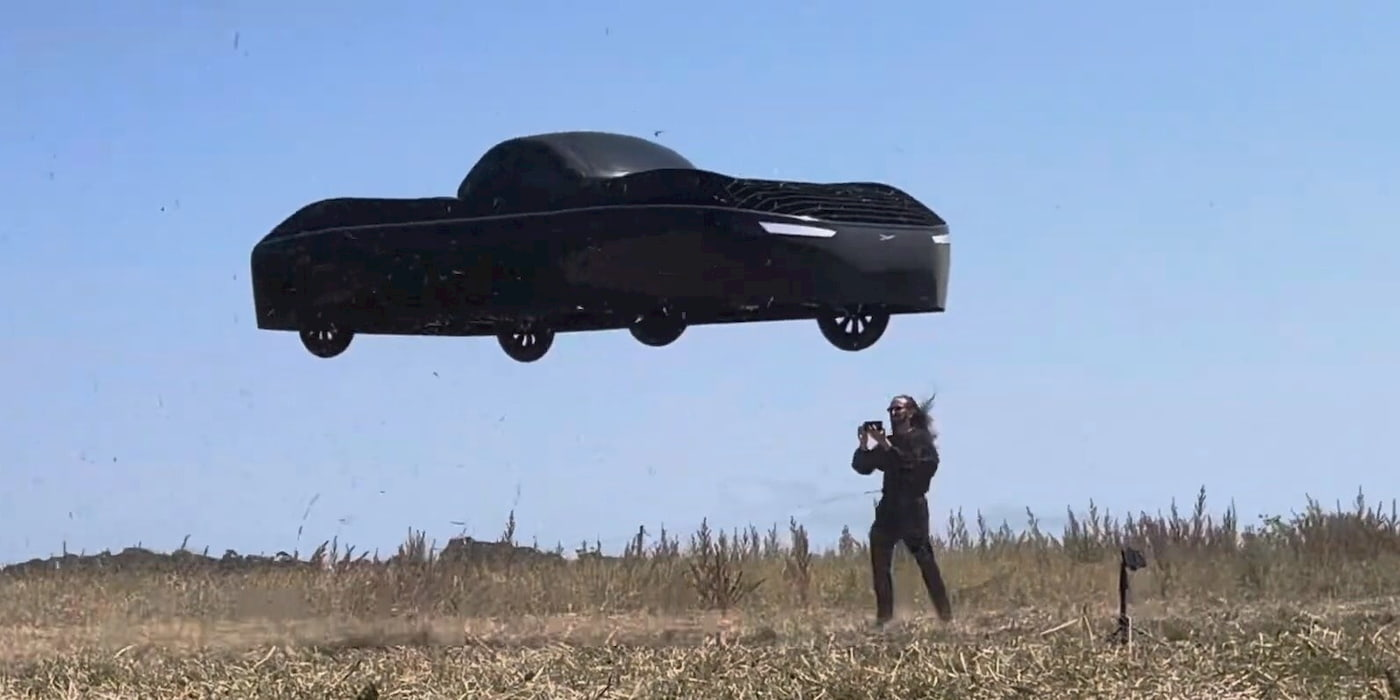
Alef Aeronautics and the Cultural Imaginaries of the “First Flying Car”
Alef Aeronautics, a California-based startup, is hand-building what it promotes as the “world’s first flying car,” an electric, road-drivable vehicle capable of vertical takeoff and flight. Developed within the innovation ecosystem of Silicon Valley, the Alef flying car moves between regulatory categories—registered as a road vehicle but also operating in low-altitude airspace—and between craft production and high-tech engineering. Its hand-made status indexes artisanal authenticity and experimental status, even as pre-orders and media coverage frame it as a template for future mass mobility.
Beyond its engineering novelty, Alef Aeronautics crystallizes wider cultural desires around escape, autonomy, and frictionless movement in congested urban environments. The flying car intensifies longstanding science-fiction imaginaries of personal aviation, now re-coded through electric propulsion, climate anxiety, and platform capitalism. Media coverage on sites like Electrek frames Alef as both a technical breakthrough and a symbol of Californian techno-futurism, promising to reconfigure not only how people move, but how they imagine status, risk, and citizenship in a vertically layered city.
The Alef flying car operates as a condensed symbolic object where multiple social logics intersect. As a technology, it exemplifies “solutionist” thinking: traffic congestion, infrastructural decay, and spatial inequality are recast as problems of insufficient innovation, solvable by individualized aerial mobility rather than systemic urban planning. As a consumer artifact, the vehicle projects a hybrid identity—simultaneously car, aircraft, and luxury gadget—inviting personification and aspirational identification. This hybridity destabilizes conventional categories of road user, pilot, and passenger, creating new boundary-work around expertise, liability, and moral responsibility in shared airspace.
Digitally mediated pre-orders, waitlists, and high-visibility prototypes position Alef as a speculative asset as much as a transport device. The promise of being an “early adopter” functions as a status marker embedded in techno-optimistic narratives of progress and personal transcendence. Yet access is stratified by wealth, geography, and regulatory capture, risking a future in which elites literally fly above congested “non-places” on the ground. The flying car thus dramatizes tensions between freedom and control, spectacle and sustainability, and between collective infrastructures and hyper-individualized mobility.
Practical Implications for Organizations
- Treat breakthrough products as cultural texts: map the myths, fears, and fantasies they activate, not just their functions.
- Anticipate regulatory and ethical controversies by designing clear narratives of safety, responsibility, and public benefit into communications.
- Leverage hybridity strategically: when products cross categories (car/plane, tool/agent), guide consumers with robust storytelling, rituals of use, and onboarding.
- Use scarcity and craftsmanship carefully; frame hand-built production as experimentation and co-learning, not just exclusivity.
- Build participatory media ecosystems—simulators, AR demos, creator partnerships—to let publics “try on” future mobilities imaginatively before adoption.
- Align flying-car or advanced-mobility narratives with urban equity and environmental commitments to avoid dystopian “sky for the rich, roads for the rest” optics.
Consumer tribes that may relate to this case study:
 Eureka
 Eureka