Provenance in Practice: Our Cow’s ‘Paddock Talk’ as a Trust-Building Media Strategy
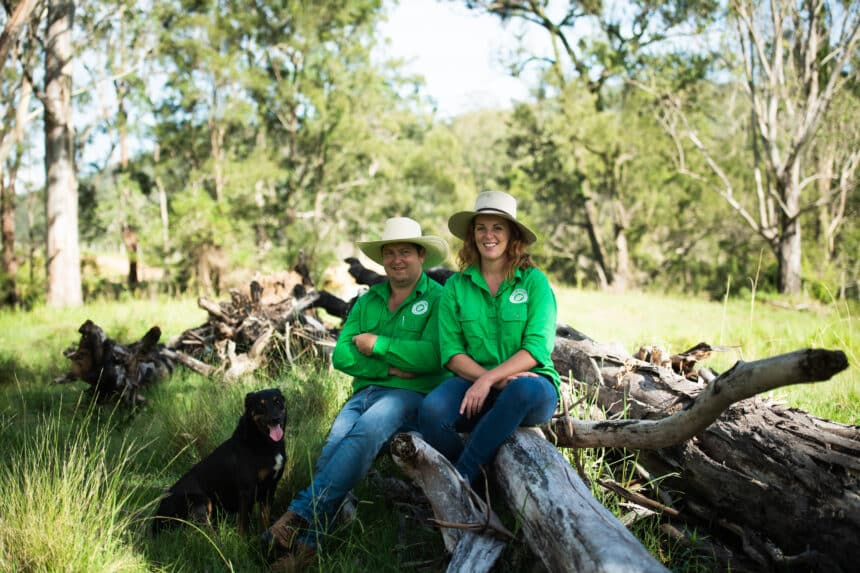
Our Cow, an Australian meat subscription service, launched the Paddock Talk podcast to foreground the people and practices behind its products. Hosted by co-founder and beef farmer Bianca Tarrant, the weekly show features candid conversations with farmers and food producers that narrate everyday realities of animal husbandry, land care, and supply logistics. Distributed via major audio platforms, the podcast extends Our Cow’s direct-to-consumer model into an owned-media channel designed to educate, reassure, and emotionally engage audiences.
The initiative emerges amid intensifying public scrutiny of meat traceability and market turbulence around imports and pricing. By attaching names, voices, and situated practices to otherwise opaque supply chains, Paddock Talk reframes meat as a relationship value rather than a commodity. It positions domestic producers as custodians of quality and place, inviting listeners to identify with local food systems during shifting market dynamics.
By transforming producers into narrators, the podcast mobilizes identity-based consumption and the social proof of lived expertise. Audio intimacy fosters parasocial bonds, converting provenance cues into symbolic value and moral reassurance. Storytelling acts like a guarantee for qualities that consumers can't check when buying, turning detailed tracking into memorable stories about care, risk, and craftsmanship. The channel also acts like a smart gateway: regular content builds routine connections, makes it easier to share, and helps recommendation systems, boosting brand visibility without needing to pay for it. Framed as “seeing behind the label,” the format redistributes informational power within the value chain, allowing farmers to contest reductive price-led comparisons with imports by articulating place-based quality and stewardship. In tribal terms, the podcast convenes a community of practice around ethical meat—listeners cohere less around discounts than around values, authenticity signals, and a sense of belonging to Australian agriculture. This approach is not mere transparency theater; it is performative transparency, where the act of showing becomes the proof. Yet the strategy requires governance: consistency of claims, guardrails against over-romanticization, and measurable links to conversion, lest narrative capital decouple from transactional outcomes.
Practical Implications for Organizations
- Build owned narrative platforms where producers and experts speak in first person; prioritize audio for intimacy and habit formation.
- Translate credence attributes (welfare, provenance, sustainability) into recurring story arcs and episodes; avoid one-off campaigns.
- Instrument episodes with UTM-linked offers, shoppable show notes, and cohort tracking to connect listening to lifetime value.
- Codify a verification protocol: align on-farm practices, certifications, and data points that back narrative claims.
- Orchestrate cross-channel resonance: excerpt reels, newsletter summaries, and retailer QR codes pointing to relevant episodes.
- Use episodic community feedback loops (Q&A, voice notes) to surface concerns, preempt crises, and co-create content with stakeholders.
- Train spokespeople in narrative ethics to balance authenticity with compliance, avoiding greenwashing and overclaiming.
- Treat the podcast as supply chain governance media: document seasonal risks, disruptions, and mitigations to build resilience-based trust.
Consumer tribes that may relate to this Eureka:
 Eureka
 Eureka