
Sol de Janeiro’s Philanthropic Turn: Branding Nature, Gender, and Joy
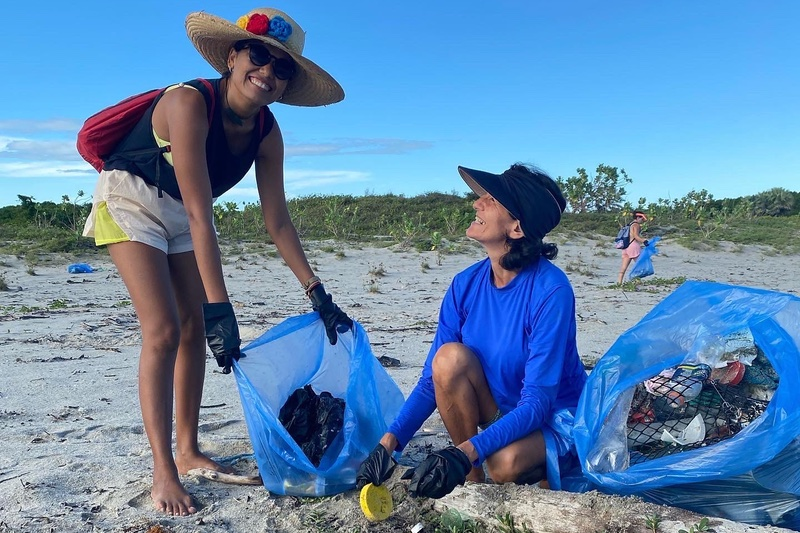
Sol de Janeiro, owned by L’Occitane Group, launched the Sol de Janeiro Foundation to channel brand equity into sustained grants for forest restoration, clean water protection, and women’s leadership in climate action. With multi‑year commitments, the fund reframes the company’s Brazil-inspired positioning as a platform for environmental stewardship and gender empowerment, translating a decade of celebratory brand culture into institutionalized impact.
The initiative signals a maturation of purpose in beauty: from aesthetic pleasure to regenerative responsibility. By linking biome protection with women’s agency, the foundation articulates a holistic social-ecological agenda that resonates with consumers, supply partners, and policy-oriented stakeholders. It also repositions corporate philanthropy as a continuity of brand meaning, not an adjunct.
This case foregrounds how brands operate as cultural brokers within platformized capitalism. Aestheticized “Brazilian-ness” is transposed into moral capital, converting affect (joy, warmth, sensuality) into legitimacy for interventions in ecologies and livelihoods. Such moves exemplify value co-creation: consumers’ symbolic investments become financial resources for long-term commons governance. The foundation’s multi-year grants indicate a shift from episodic cause marketing to institutional durability, advancing a triple-value calculus where reputational equity, social reproduction, and natural capital are treated as interdependent assets. However, symbolic surplus must be matched by measurable externalities reduction to avoid purpose-washing. Embedding women’s leadership reframes climate action as social infrastructure, emphasizing care economies, community governance, and intergenerational stewardship. The brand’s custodial stance also reconfigures supply-chain semantics—from extraction to reciprocity—challenging linear commodity logics. Governance design is pivotal: impact verification, local co-management, and rights-respecting partnerships counter the tragedy-of-the-commons narrative by demonstrating how devolved stewardship can outperform top-down control. Finally, the case underscores algorithmic visibility: public narratives, KPIs, and transparent data become performative signals in attention markets where cultural legitimacy and investor confidence interact.
Practical Implications for Organizations
- Tie purpose to semiotic equity: convert your core brand meanings into a clear theory of change linked to ecosystems and communities you reference.
- Commit multi‑year, not campaign‑based, funding with milestone gates; publish standardized impact metrics and third‑party audits.
- Institutionalize co-governance: fund local organizations, recognize land and water rights, and embed women-led decision forums across the portfolio.
- Recode supply chains as regeneration chains: finance restoration near sourcing regions; align procurement incentives with biodiversity and water outcomes.
- Build an integrated data stack: open dashboards, geospatial monitoring, and beneficiary feedback loops to translate impact into credible signals.
- Design for spillovers: leverage education, mentorship, and microgrant programs that grow women’s climate leadership beyond project sites.
- Align incentive systems: link executive pay and marketing budgets to environmental and social KPIs to prevent decoupling between rhetoric and practice.
- Narrate with restraint: foreground partners and community voices; use independent verification to reduce purpose-washing risk while preserving brand ethos.
Consumer tribes that may relate to this case study:
 Eureka
 Eureka