Le Walk’s Headphone Guide: Orchestrating Immersion, Mobility, and Local Expertise
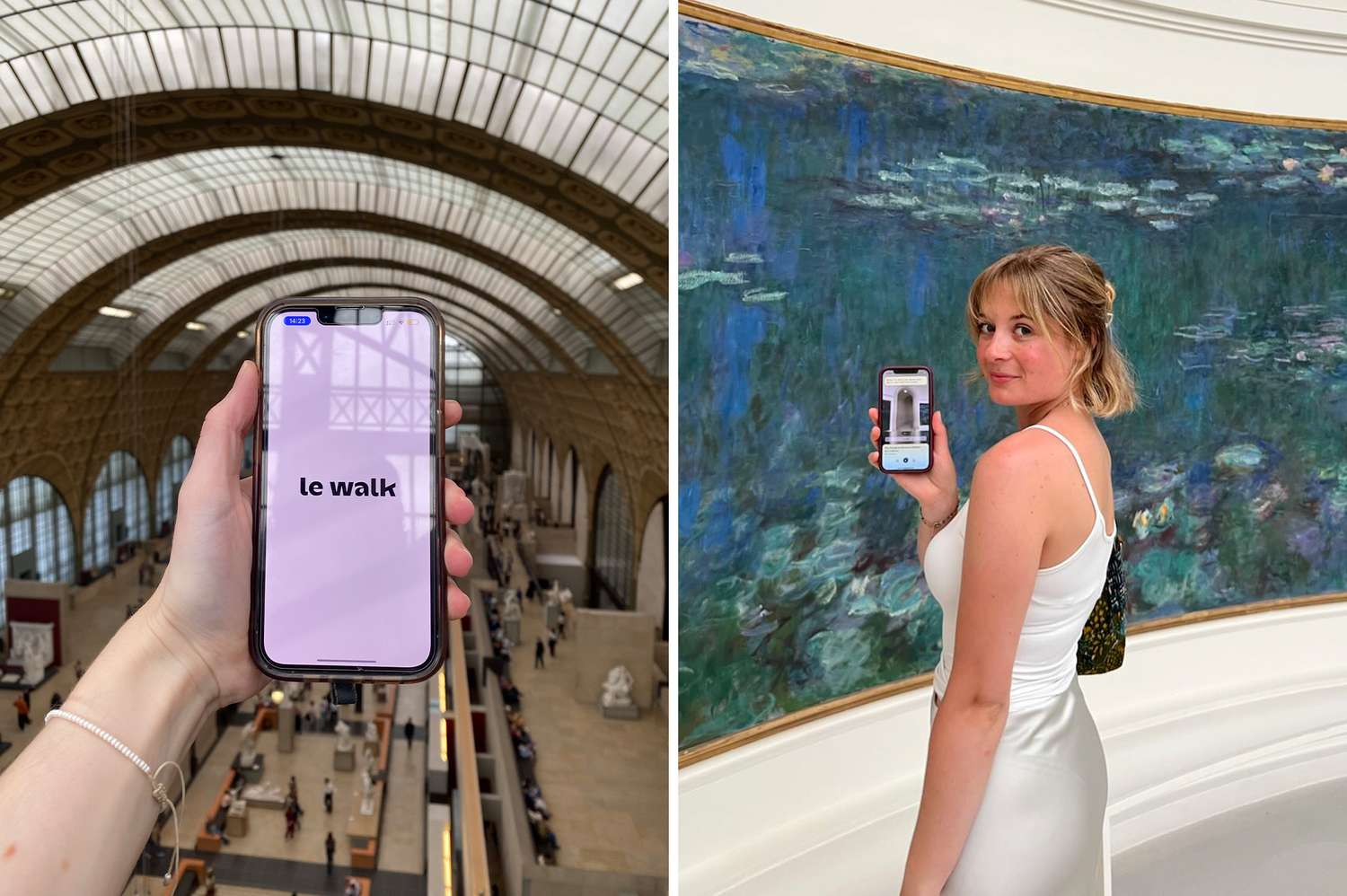
Le Walk is a location-aware audio guide app that delivers GPS-triggered, phone-down storytelling through cinematic soundscapes and local expert narration. Following a successful beta with significant user traction, the company expanded beyond Paris to European heritage cities, added multilingual support, and diversified themed tours spanning fashion, history, and pop culture. The funding round co-led by Adverb Ventures and Lerer Hippeau supports scale-up across new cities, content partnerships, and product optimization.
This case is significant because it operationalizes ambient computing and vernacular expertise into a frictionless tourist service, reconfiguring how visitors encounter place, time, and culture. It also exemplifies a post-screen paradigm in which mobility, embodiment, and audio interfaces mediate consumer experience, redistributing value from traditional guide markets to platformized micro-guiding and data-driven curation.
Le Walk functions as a socio-technical assemblage that fuses locative media, algorithmic sequencing, and sensory design to choreograph attention in situ. The app’s “private guide” promise converts the urban environment into a responsive narrative interface, moving from map-centric legibility to phenomenological immersion. This is an instance of experiential commodification where place is semiotically re-authored through sound, displacing ocularcentric tourism with curated aurality. The multilingual, themed pathways enact identity work and taste performance, enabling consumers to align self-narratives with cultural capitals while preserving autonomy via self-pacing. As a platform, Le Walk intermediates between local knowledge and traveler demand, instituting governance over discovery through GPS triggers, routing, and editorial selection—thereby shaping the politics of visibility for neighborhoods, businesses, and heritage. Data exhaust from movement and completion rates affords continuous optimization but also raises concerns about the enclosure of public space into proprietary experience layers and the subtle behavioral nudging of urban flows. The sonic strategy reduces screen dependency, mitigating context collapse and distraction, yet it is still a form of soft capture that translates embodied wandering into measurable metrics. In competitive terms, the model reframes the tour category away from synchronous group logistics toward asynchronous, on-demand intimacy, expanding margins via content scalability and language localization.
Practical Implications for Organizations
- Build post-screen experiences: prioritize audio-first, GPS-triggered flows to reduce friction and increase situational awareness.
- Curate with semiotic intent: design themed narratives that map brand values onto urban signs, rituals, and micro-places.
- Localize at scale: deploy modular scripts adaptable across languages and cultural frames while preserving vernacular authenticity.
- Instrument for feedback loops: track dwell, deviation, and completion to iteratively refine pacing, trigger radii, and narrative arcs.
- Govern discovery ethically: establish transparent inclusion criteria for featured sites; audit for neighborhood impacts and bias.
- Monetize via bundles: package thematic series, city passes, and partner tie-ins with museums, retailers, and events.
- Safeguard privacy: minimize location retention, enable offline modes, and clearly communicate data practices in-app.
- Foster creator ecosystems: onboard local experts with revenue-sharing, editorial standards, and lightweight production tooling.
Consumer tribes that may relate to this case study:
 Eureka
 Eureka
 Eureka
 Eureka